The Myth of Sisyphus and Other Essays
SynopsisPlot
Influenced by works such as Don Juan and the novels of Kafka, these essays begin with a meditation on suicide; the question of living or not living in a universe devoid of order or meaning. With lyric eloquence, Albert Camus brilliantly posits a way out of despair, reaffirming the value of personal existence, and the possibility of life lived with dignity and authenticity.
Story
About this book
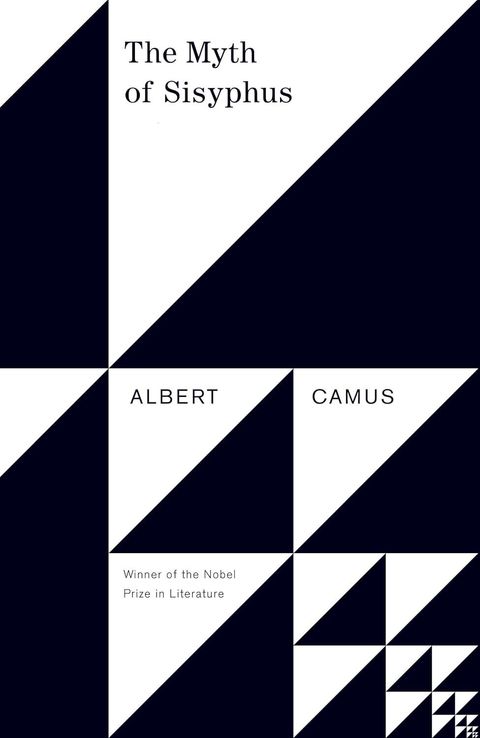
Albert Camus published The Myth of Sisyphus in 1942, writing in French. The book opens with the question he treats as the only serious philosophical problem: whether life is worth living. He frames this less as a psychological matter than as a logical response to a universe that offers no built-in meaning, a collision he calls the absurd.
From there Camus examines figures he considers absurd heroes, among them the literary Don Juan and characters from the fiction of Franz Kafka. Each acts without any guarantee of order or reward. The title essay turns to Sisyphus, condemned in Greek myth to push a boulder uphill forever and watch it roll back, and asks what such a life can still hold.
The volume gathers other essays alongside the title piece, including writing shaped by the Mediterranean coast and Algeria, where Camus grew up. Across them he argues against despair as the only response to a world without order, holding instead to the value of individual existence and to living with dignity and clarity about one's own situation. The essays move between philosophy, literature and place.