The Sublime Object of Ideology
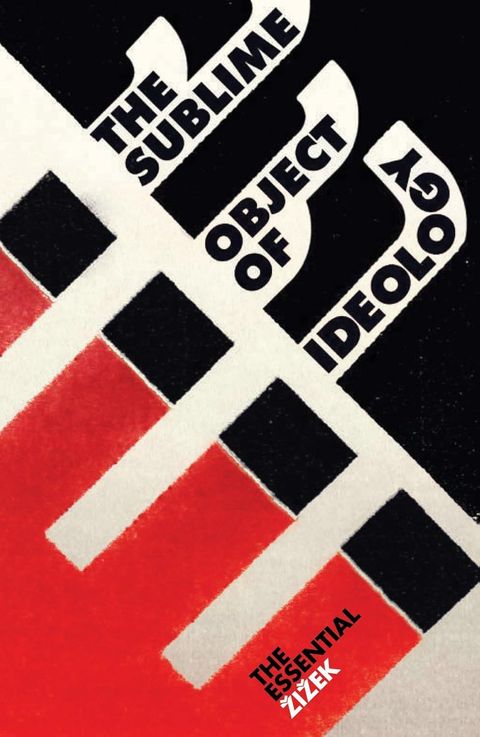
SynopsisPlot
Slavoj Zizek, the maverick philosopher, author of over 30 books, acclaimed as the “Elvis of cultural theory”, and today’s most controversial public intellectual. His work traverses the fields of philosophy, psychoanalysis, theology, history and political theory, taking in film, popular culture, literature and jokes—all to provide acute analyses of the complexities of contemporary ideology as well as a serious and sophisticated philosophy. His recent films The Pervert’s Guide to the Cinema and Zizek! reveal a theorist at the peak of his powers and a skilled communicator. Now Verso is making his classic titles, each of which stand as a core of his ever-expanding life’s work, available as new editions. Each is beautifully re-packaged, including new introductions from Zizek himself. Simply put, they are the essential texts for understanding Zizek’s thought and thus cornerstones of contemporary philosophy.
Story
About this book
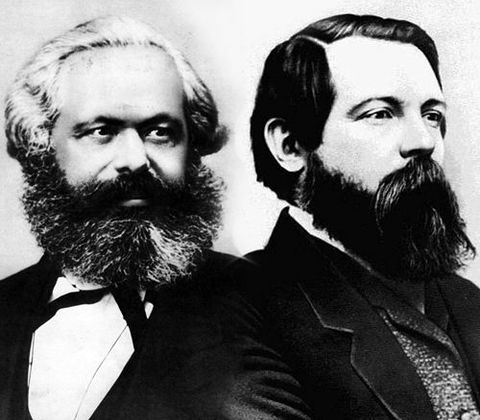
First published in 1989, The Sublime Object of Ideology is Slavoj Žižek's debut book-length work. Žižek, a philosopher from Ljubljana, Slovenia, brings together the thought of Hegel, Marx, and the French psychoanalyst Jacques Lacan to examine how ideology operates in contemporary life. Rather than treating ideology as a set of false beliefs that can simply be corrected, Žižek argues that it works at a deeper level, shaping how people experience reality itself. The book asks what holds ideological structures in place even when individuals recognize their flaws.
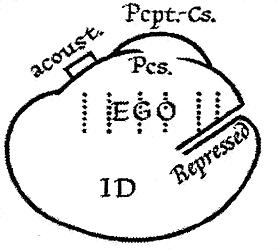
Žižek draws on psychoanalytic concepts, particularly Lacan's idea of the Real, a term for what resists full representation in language or thought. He uses this framework to reconsider classical questions about political belief, commodity fetishism, and the role of enjoyment in sustaining social systems. The writing moves between dense theoretical argument and examples drawn from everyday culture, a method that became characteristic of Žižek's later output. This Verso edition, part of a series reissuing his earlier titles, includes a new introduction by the author.