The Power of the Powerless
SynopsisPlot
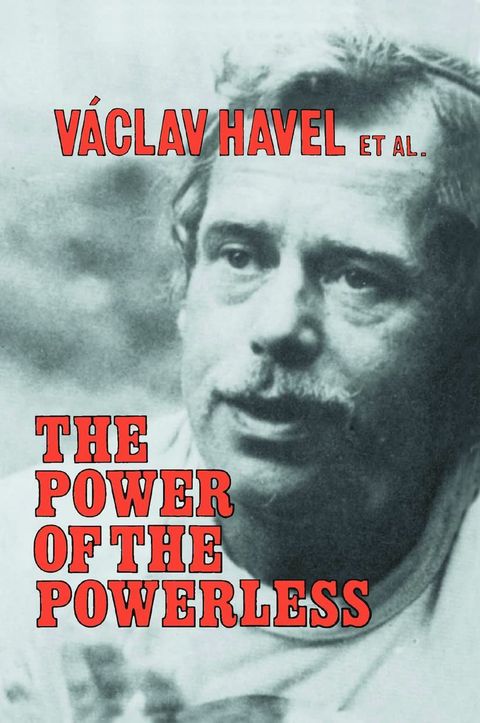
Books of great political insight and novelty always outlive their time of birth and this reissued work, initially published in 1985, is no exception. Written shortly after the formation of Charter 77, the essays in this collection are among the most original and compelling pieces of political writing to have emerged from central and Eastern Europe during the whole of the post-war period. Václav Havel’s essay provides the title for the book. It was read by all the contributors who in turn responded to the many questions which Havel raises about the potential power of the powerless.
Story
About this book
This collection of essays, first published in 1985, grew out of the political and intellectual climate that followed the founding of Charter 77, a civic initiative launched in Czechoslovakia in 1977 to press for basic human and civil rights. Václav Havel's title essay anchors the book. In it, he examines how ordinary citizens living under authoritarian systems hold a form of political power, even when they appear to have none. The other contributors read Havel's essay and wrote responses to the questions it raises, creating a structured exchange of ideas rather than a simple anthology.
The contributors come from a wide range of democratic positions, including liberal, conservative, and socialist perspectives. Together they address the conditions of political life in central and Eastern Europe during the post-war decades, when single-party states shaped daily existence across the region. The essays consider how individuals relate to ideology, conformity, and civic responsibility when open political opposition carries serious personal risk.
John Keane edited the volume. Havel, who wrote the lead essay from Prague, would later become president of Czechoslovakia after the events of 1989. The book captures a period when dissident thought circulated largely through unofficial channels in the region.