The Other City
SynopsisPlot
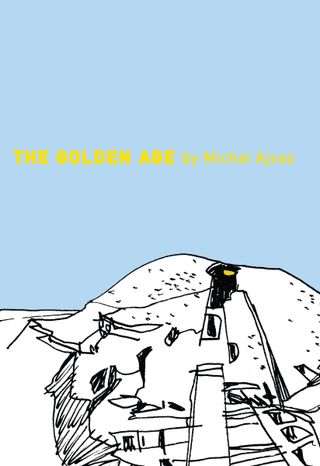
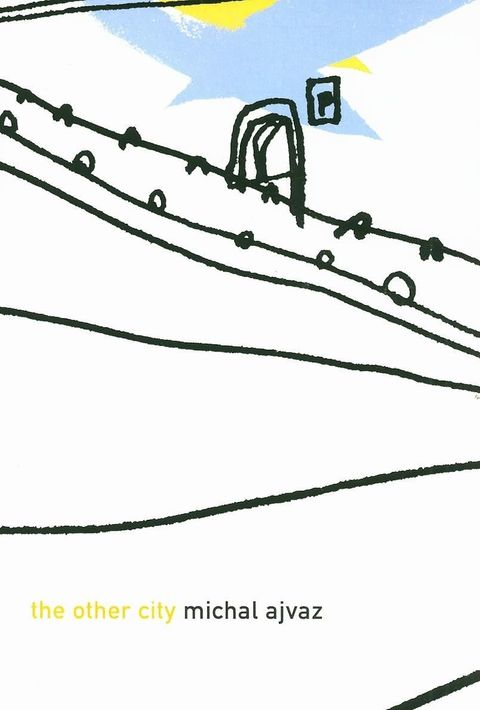
The Other City is a guidebook to this invisible, "other Prague," overlapping the workaday world: a place where libraries can turn into jungles, secret passages yawn beneath our feet, and waves lap at our bedspreads. Heir to the tradition and obsessions of Jorge Luis Borges, as well as the long and distinguished line of Czech fantasists, Ajvaz's Other City—his first novel to be translated into English—is the emblem of all the worlds we are blind to, being caught in our own ways of seeing.
Story
About this book
Michal Ajvaz is a Czech writer whose novel The Other City presents Prague as a place with a hidden layer running alongside its familiar streets and landmarks. The narrator moves through the capital discovering a second version of the city, one populated by ghosts, eccentric figures, talking animals, and statues that should not exist. These elements occupy the edges of ordinary life, just out of sight for the crowds of visitors and residents who pass through every day.
The book reads partly like a fictional guidebook to this unseen Prague. Libraries shift into dense vegetation, hidden passages open underfoot, and water appears where it has no reason to be. Ajvaz works within a tradition of Czech fantasy writing, and the novel also carries the influence of Jorge Luis Borges, particularly in its interest in labyrinths, alternate realities, and the slippage between what is known and what is imagined. The Other City was the first of Ajvaz's novels to appear in English translation.
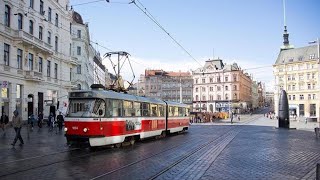
Prague itself is central to the book's structure. The city's layered history, winding lanes, and architectural density provide a concrete setting that supports the idea of a parallel world existing in plain sight, unnoticed because of habit.