The Same River
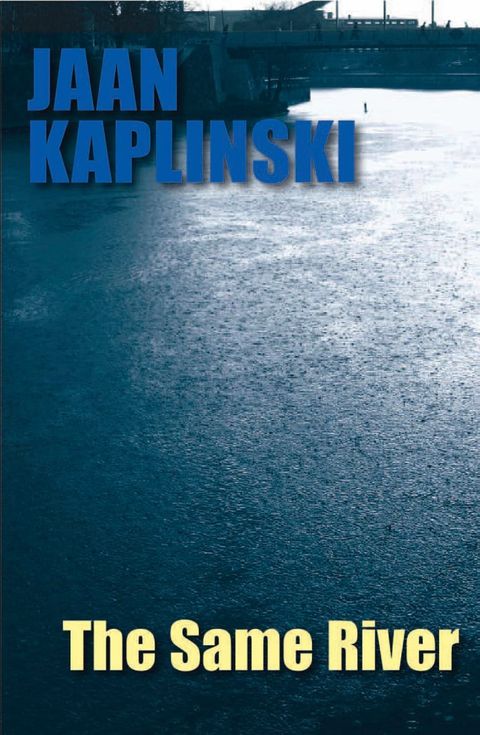
SynopsisPlot
A semi-autobiographical Bildungsroman, set in the early 1960s, this novel narrates the efforts of Kaplinski's youthful alter ego to lose his innocence and attain sexual and mystical knowledge. The 20-year-old protagonist finds an unofficial teacher in a retired theologian and poet, who is out of favor with the communist authorities. After a summer spent in intellectual and erotic soul-searching, the sexual and political intrigues finally overlap, leading to a quasi-solution. As KGB and university apparatchiks take a close interest in the relation of the two poets, the student outgrows his mentor, who despite accusing the human race of puerility, turns out to be a big and jealous child himself.
Story
About this book
The Same River is a semi-autobiographical novel by Estonian writer Jaan Kaplinski, a Nobel Prize nominee whose poetry and essays have circulated widely in Europe but whose prose has been slower to reach English-language readers. Set in Soviet-era Estonia in the early 1960s, the story follows a twenty-year-old student navigating questions of sex, belief, and political loyalty during a single formative summer. The young man finds an unofficial guide in a retired theologian and poet who has fallen out of favor with the communist authorities, and the two develop an intense, uneasy bond built on shared literary ambition and mutual need.
As the student pursues both erotic experience and a kind of spiritual understanding, his private life begins to attract attention from KGB officers and university officials. The overlap between personal desire and state surveillance gives the novel a persistent undercurrent of tension. Kaplinski draws on his own youth in Tartu to ground the narrative in specific routines, landscapes, and social pressures of early-1960s Estonia.
The book belongs to the Bildungsroman tradition, a coming-of-age form concerned with intellectual and emotional growth. Its pace is slow and cerebral, shaped more by conversation and interior thought than by dramatic events.