Vargamae: Volume I of the Truth and Justice Pentalogy
SynopsisPlot
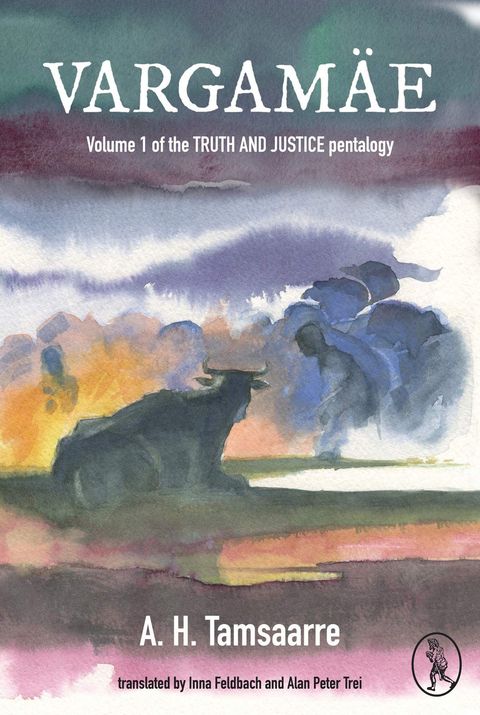
Andres, an Estonian peasant, purchases a smallholding in a marshy part of the country, which the novel is named after. He takes his young wife, and an incident with their cow sets the tone for a life of struggle in which the family grows and gradually lifts itself out of extreme poverty. They don't only have to strive against the elements, but also against their neighbor Pearu, a wily and ruthless man.
Story
About this book
Vargamae is the first volume of Anton Hansen Tammsaare's five-part novel cycle Truth and Justice, widely regarded as one of the central works of Estonian literature. Set in a rural Estonian village during the final quarter of the nineteenth century, when the country was still a province of the Russian Empire, it follows a peasant named Andres who buys a small farm on marshy, difficult land. He arrives with his young wife, and an early incident involving their cow signals the kind of hardship that will define their years ahead.
The story tracks the family's slow, grinding effort to pull itself out of poverty. The marsh demands constant labor, and the weather and soil resist easy yields. Alongside these natural obstacles, Andres faces a persistent human one: his neighbor Pearu, a cunning and unscrupulous figure whose conflicts with Andres run through the novel like a second current. Their disputes over boundaries, water, and status give the book much of its tension.
Tammsaare wrote the pentalogy during the 1920s and 1930s, a period when Estonia had recently gained independence. The full cycle traces the country's transformation from tsarist province to sovereign state, and Vargamae lays its foundation in the physical realities of land, labor, and rural community.