The Peasants
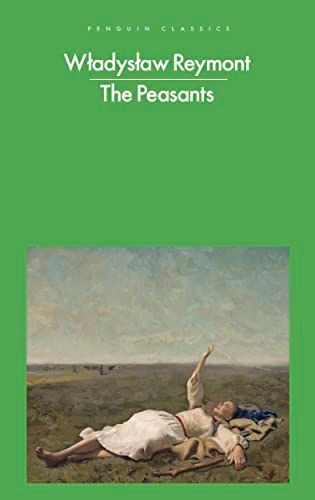
SynopsisPlot
In the village of Lipce, scandal, romance, and drama crackle in every hearth. Boryna, a widower and the village's wealthiest farmer, has taken the young and beautiful Jagusia as his bride - but she only has eyes for his impetuous son Antek. Over the course of four seasons - Autumn to Summer - the tangled skein of their story unravels, watched eagerly by the other peasants: the gossip Jagustynka, pious Roch, hot-blooded Mateusz, gentle Witek
Story
About this book
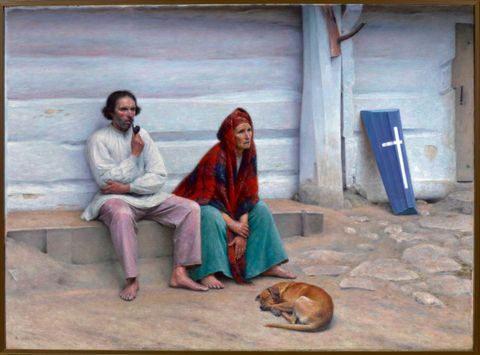
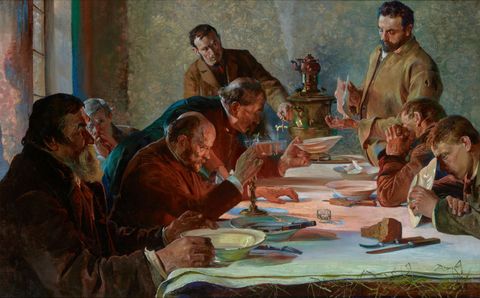
The Peasants follows life in the fictional Polish village of Lipce across four volumes, each named after a season: Autumn, Winter, Spring, and Summer. At the center is Boryna, the village's wealthiest farmer, a widower who marries the young Jagusia. The marriage sets off a slow-burning conflict, because Jagusia is drawn to Boryna's son Antek rather than to Boryna himself. Around this triangle, the rest of the village watches, talks, and takes sides. Reymont populates Lipce with sharply drawn figures: the sharp-tongued gossip Jagustynka, the devout wanderer Roch, the volatile Mateusz, and the quiet Witek, among others.
The novel's structure ties human events tightly to the agricultural calendar. Planting, harvest, festivals, and weather shape the rhythm of every chapter. Reymont wrote the book in Polish between 1904 and 1909, drawing on close observation of rural communities in central Poland. He received the Nobel Prize in Literature in 1924, with the Swedish Academy citing this work specifically.
Lipce functions as a complete social world, with its own hierarchies, customs, and pressures. Land ownership, family obligation, and village reputation drive the characters as forcefully as personal desire, and Reymont renders these forces through concrete daily detail rather than abstraction.