The Land of Green Plums
SynopsisPlot
Set in Romania at the height of Ceauescu's reign of terror, The Land of Green Plums tells the story of a group of young people who leave the impoverished province for the city in search of better prospects and camaraderie. But their hopes are ravaged, because the city, no less than the countryside, bears everywhere the mark of the dictatorship's corrosive touch. All the narrator's friends―teachers and students of vaguely dissident allegiance―betray her, do away with themselves, or both. As they do so, we see the way the totalitarian state comes to inhabit every human realm and how everyone, even the strongest, must either bend to the oppressors or resist them and thereby perish.
Story
About this book
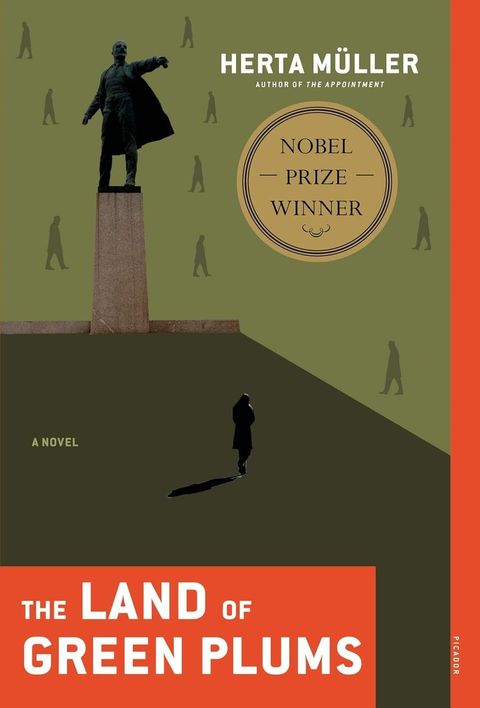
The Land of Green Plums by Herta Müller follows a group of young people in Romania during the Ceausescu dictatorship. They leave an impoverished rural province for the city, hoping for better prospects and companionship. What they find is that the regime reaches into every corner of urban life as thoroughly as it does the countryside. The narrator's circle of teachers and students holds only loosely dissident views.
Friendships collapse under the pressure of the police state. Some of the narrator's companions betray her, others take their own lives. Müller traces how a totalitarian system moves past political control and settles into private relationships, daily habits, and language itself. Small gestures of independence carry heavy consequences, and the line between compliance and simple survival becomes difficult to locate.
Müller grew up in Romania's German-speaking minority in the Banat region and lived under the Ceausescu government before leaving for Germany in 1987. She writes in German, and the novel reached English readers in a translation by Michael Hofmann. Her account of surveillance, interrogation, and constant suspicion draws on direct experience of that period rather than research alone.