
Hansen's Children
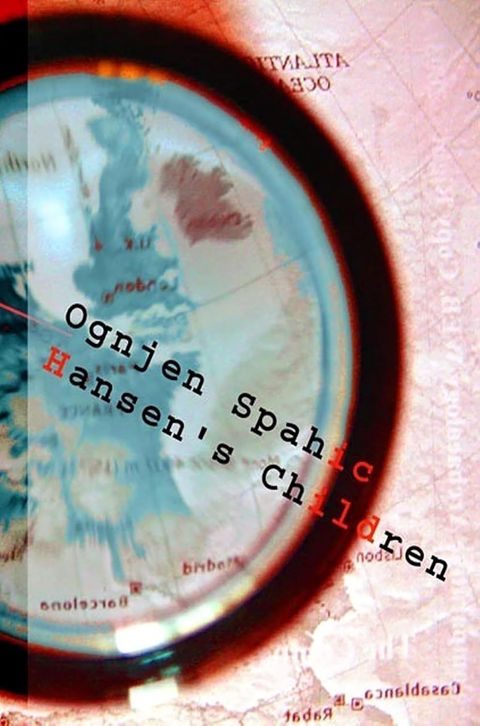
SynopsisPlot
It is the end of the 1980s, and Europe is about to change forever; in a corner of Romania, two men await their fate as their reality literally begins to fall apart. Unafraid to speak the truth, Spahić takes us on a journey through the revolution, changing our way of seeing this chapter of history while simultaneously challenging our own sense of identity.
Story
About this book
Hansen's Children is set in a leper colony in Romania during the final years of Nicolae Ceausescu's rule. The title refers to Hansen's disease, the medical name for leprosy, and the story follows two men living inside this isolated institution as the late 1980s bring political upheaval to the country and to Eastern Europe as a whole. Their physical confinement mirrors a broader sense of waiting: the old order is cracking, but what follows remains unclear.
Ognjen Spahic, a Montenegrin author, uses the colony as a contained space in which to observe larger fractures. The residents exist at the margins of a society that is itself at the margins of a changing continent. As Romania's revolution approaches, the distance between the colony and the outside world begins to collapse. The novel is short and tightly controlled, moving between dark, uncomfortable scenes and moments of unexpected warmth or humor.
The setting raises questions about exclusion, both medical and political. People sealed off from a failing state still feel its consequences. The fall of Communism, seen from inside a place most of the world had forgotten, takes on a different shape than the version told from capital cities and public squares.