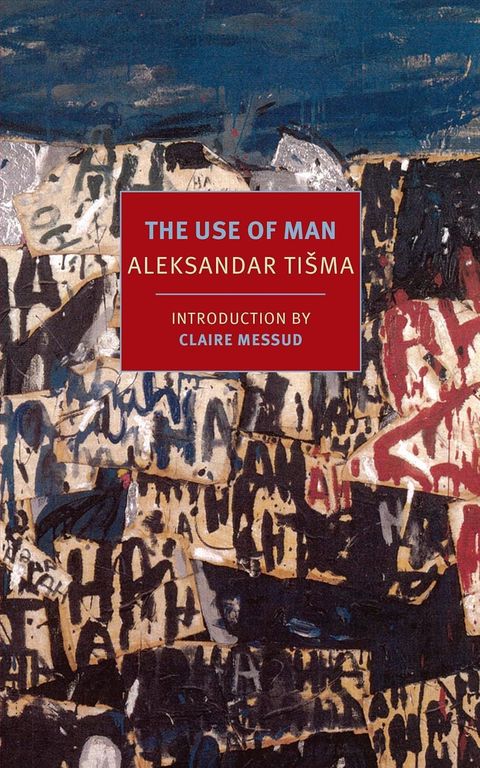
The Use of Man
SynopsisPlot
The Use of Man starts with an unexpected discovery. World War II is ending. Sredoje Lazukić has been fighting all through it. Now, as one of the victorious Partisans, he has come home to Novi Sad. He visits the house he grew up in. Strangers nervously show him around. He looks up the mother of Milinko, his best friend. Milinko’s girlfriend, Vera, was the daughter of a Jew, a bookish businessman. Her house stands empty and open. Venturing in, Sredoje is surprised to find the diary of the German tutor that Milinko, Vera, and he all shared, Fräulein, who died on the operating table just before the war. Here, however, in a cheap notebook in Vera’s old room, is a record of Fräulein’s lonely days, with the sentimental caption Poésie. . .
Story
About this book
The Use of Man is set in Novi Sad, a multiethnic city on the Danube near the border between what was then Yugoslavia and Hungary. Before the Second World War, a group of high-school classmates share lessons, friendships, and the ordinary concerns of youth. Among them are Vera, who is half Jewish and of German background; her boyfriend Milinko, a Serb; their friend Sredoje; and their German tutor, referred to as Fräulein. The novel opens near the end of the war, as Sredoje returns to Novi Sad as a Partisan fighter and discovers Fräulein's diary in Vera's abandoned house.
War scatters the group along violently different paths. Vera is sent to a concentration camp. Her cousin Sep joins the Nazis. Milinko enters the resistance. Sredoje adapts to the chaos by becoming a killer. Aleksandar Tišma traces each of these trajectories with close, unsentimental attention, showing how the same small city and the same circle of young people can produce collaborators, victims, resisters, and perpetrators.
When the war ends, survival itself proves difficult to inhabit. Tišma writes about both the open brutality of wartime and the quieter damage that persists afterward, observing his characters with steady precision rather than sentiment. The novel was originally published in Serbian and later translated into several languages.