Walk Through Walls: A Memoir
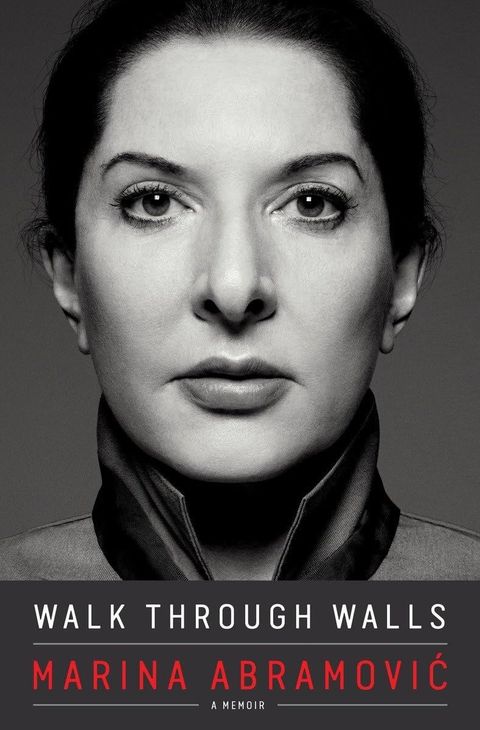
SynopsisPlot
In 2010, more than 750,000 people stood in line at Marina Abramović’s MoMA retrospective for the chance to sit across from her and communicate with her nonverbally in an unprecedented durational performance that lasted more than 700 hours. This celebration of nearly fifty years of groundbreaking performance art demonstrated once again that Marina Abramović is truly a force of nature. The child of Communist war-hero parents under Tito’s regime in postwar Yugoslavia, she was raised with a relentless work ethic. Even as she was beginning to build an international artistic career, Marina lived at home under her mother’s abusive control, strictly obeying a 10 p.m. curfew. But nothing could quell her insatiable curiosity, her desire to connect with people, or her distinctly Balkan sense of humor—all of which informs her art and her life. The beating heart of Walk Through Walls is an operatic love story—a twelve-year collaboration with fellow performance artist Ulay, much of which was spent penniless in a van traveling across Europe—a relationship that began to unravel and came to a dramatic end atop the Great Wall of China.
Story
About this book
Marina Abramović grew up in postwar Yugoslavia, the daughter of two partisan veterans celebrated under Tito's government. Her mother imposed strict discipline, including a nightly curfew that Abramović obeyed even as an adult already exhibiting work internationally. The memoir traces her path from Belgrade through decades of performance art, a practice in which the artist's own body and endurance serve as the medium. Abramović's pieces have frequently involved physical extremity, testing the boundaries of pain, fatigue, and fear as a means of reaching altered emotional states.
A central thread of the book is her twelve-year partnership with the German-born artist Ulay. The two lived and worked together with very little money, often traveling across Europe in a van. Their collaboration shaped some of Abramović's best-known works, and the memoir follows the relationship from its beginning through its gradual unraveling.
The book also covers her 2010 MoMA retrospective, where she sat silently across from visitors one at a time in a durational performance lasting over 700 hours. More than 750,000 people attended the exhibition. Throughout, Abramović recounts events with a dry humor she attributes to her Balkan upbringing.