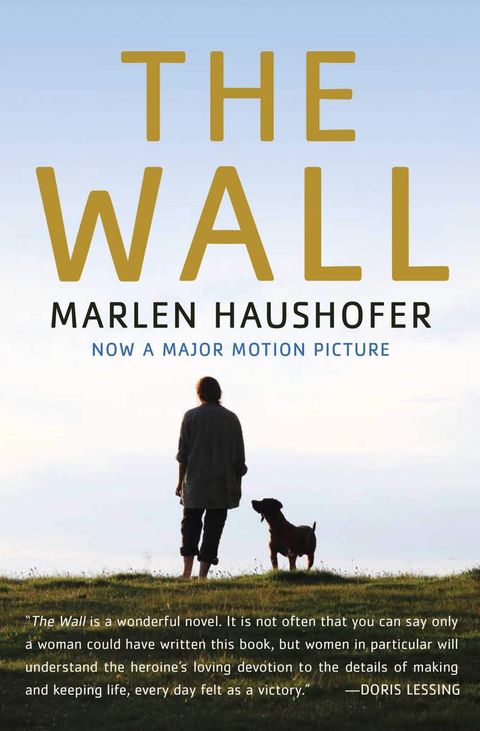
The Wall
SynopsisPlot
“I can allow myself to write the truth; all the people for whom I have lied throughout my life are dead…” writes the heroine of Marlen Haushofer’s The Wall, a quite ordinary, unnamed middle-aged woman who awakens to find she is the last living human being.
Story
About this book
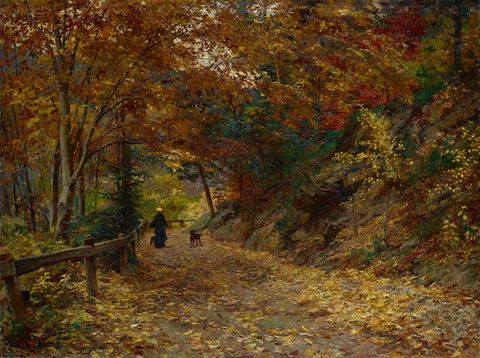
An unnamed middle-aged woman wakes to find an invisible, impenetrable wall sealing off a small stretch of Austrian forest and meadow. Beyond it, all life appears to have stopped. As far as she can tell, she is the last living human being. She had been a city dweller with a family, and nothing in that earlier life prepared her for the enclosed ground she cannot leave.
Her companions are a dog that wandered in, a cat, and a pregnant cow. With no rural experience, she teaches herself to plant potatoes and beans, tend animals, count her remaining matches, and measure time by the seasons. She writes her account on the blank backs of old calendar pages, in plain and careful language, and slowly begins to understand a person she never had reason to examine before.
Marlen Haushofer, an Austrian writer, published the novel in 1963. It sits between survival narrative and sustained reflection on solitude, self-reliance, and the conventions a woman of her time was expected to keep. The wall itself is never explained. Instead the book stays with practical work and inner life, including small losses such as forgetting the taste of sugar and the use of her own name.