The Royal Game: A Chess Story
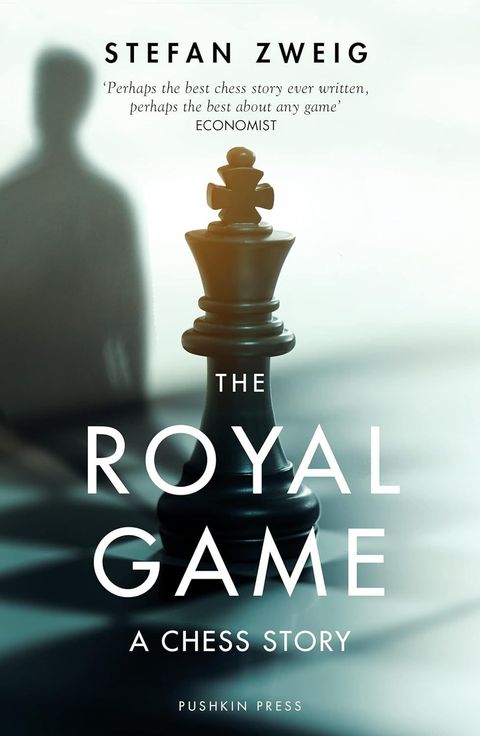
SynopsisPlot
On the deck of a transatlantic ocean liner, a crowd of passengers gathers to watch reigning chess world champion Mirko Czentovic take on a series of amateur challengers. The haughty grandmaster dispatches all of his opponents with ease, until one Dr B steps forward from the crowd―a passionate lover of the royal game who still bears the mental scars of imprisonment by the Nazis in his native Austria. The enigmatic genius reluctantly agrees to challenge Czentovic, but at what cost to his sanity?
Story
About this book
Aboard a transatlantic ocean liner, passengers gather to watch Mirko Czentovic, the reigning world chess champion, defeat one amateur challenger after another. Czentovic is arrogant and methodical, seemingly unbeatable. Then a stranger known as Dr B steps forward and offers to play. Dr B is Austrian, cultured, and deeply familiar with chess, but his knowledge of the game was acquired under extreme circumstances during Nazi imprisonment in his homeland.
Dr B's backstory forms the psychological core of the novella. Held in prolonged isolation by the Nazis, he managed to obtain a book of famous chess games and memorized every match it contained, eventually playing both sides of imaginary games against himself. This obsessive internal practice sharpened his ability but also damaged his mind, pushing him toward a breakdown. On the ship, his encounter with Czentovic sets up a contest between two very different kinds of intelligence: one cold and instinctive, the other fevered and cultivated under duress.
Stefan Zweig wrote this novella in Brazilian exile during the Second World War. It was his last completed work of fiction, published posthumously in 1942. The story is set against the backdrop of Nazi-era Austria and explores obsession, confinement, and the fragile boundary between mental discipline and collapse.