The Architect of Ruins
SynopsisPlot
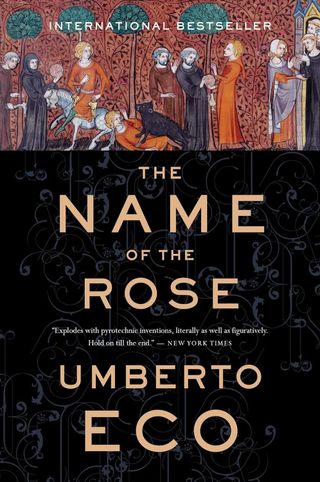
An archetypal Dedalus novel with its literary game-playing and story-within-a-story technique. It has the labyrinthine brilliance of Robert Irwin's The Arabian Nightmare and Umberto Eco's The Name of the Rose. Four men led by the Architect of Ruins construct an Armagedon shelter, in the shape of a giant cigar, so that when the end of the world comes they can enter eternity in the right mood, whilst playing a Schubert string quartet. They amuse themselves by telling stories, which take on a life of their own, with walk on parts for Faust, Don Juan, da Ponte, and G.K. Chesterton etc as the narrative flashes back and forth between the Dark Ages and the Modern Day, like a literary Mobius strip.
Story
About this book
Four men, led by a figure known as the Architect of Ruins, build a shelter shaped like a giant cigar. Its purpose is to survive the end of the world, and the group intends to pass into eternity in a particular mood, playing a Schubert string quartet. While they wait, they entertain one another by telling stories, and those stories begin to develop lives of their own.
The narrative moves between the Dark Ages and the present day, folding back on itself in a structure sometimes compared to a Möbius strip. Fictional and historical figures appear along the way, including Faust, Don Juan, the librettist Lorenzo da Ponte, and G.K. Chesterton. The novel uses a story-within-a-story technique, layering tales inside one another so that the boundaries between each level grow uncertain. Herbert Rosendorfer, the Austrian-born author, constructs an elaborate literary puzzle in which the frame and its contents keep trading places.
The book has been compared to Robert Irwin's The Arabian Nightmare and Umberto Eco's The Name of the Rose for its labyrinthine plotting and playful approach to narrative form. It was published in English by Dedalus, a press known for European literary fiction in translation.