Geometric Regional Novel
SynopsisPlot
In a deadpan, pseudo-scientific tone, the nameless narrator takes us on a tour of a bizarre village whose inhabitants lead such habitual, regulated lives that they resemble elements in a mathematical equation.
Story
About this book
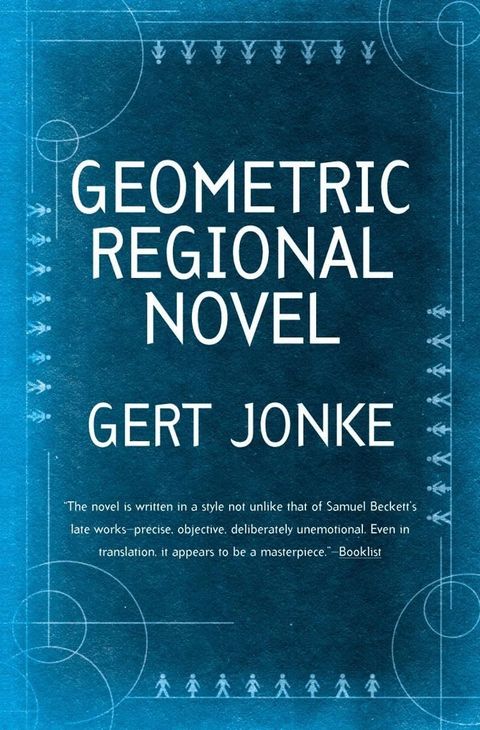
Gert Jonke's Geometric Regional Novel presents an unnamed village through the voice of a detached, nameless narrator who describes its workings in a flat, pseudo-scientific tone. The inhabitants follow routines so fixed and predictable that the narrator treats them almost like variables in a formula. Village authority figures, the mayor, the priest, the teacher, maintain order through an exaggerated devotion to ceremony and minor detail, while other residents carry out roles unchanged from one generation to the next.
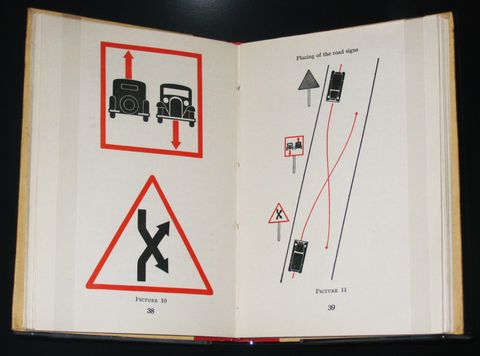
The village's obsession with regulation is made visible through the sheer volume of written material that fills daily life: warnings, instructions, diagrams, ordinances, historical records, and official forms. One extended passage reproduces a multi-page form required of anyone who wants to walk in the forest, a bureaucratic document so elaborate it becomes absurd. Jonke uses these insertions to show how thoroughly codified existence has become in this setting.
Alongside the mathematical and administrative descriptions, the novel shifts at times into surrealistic, vivid language that contrasts sharply with the controlled routines around it. Jonke, one of Austria's prominent postwar writers, originally published the novel in German. This English-language edition marked his first appearance in translation for English-speaking readers.