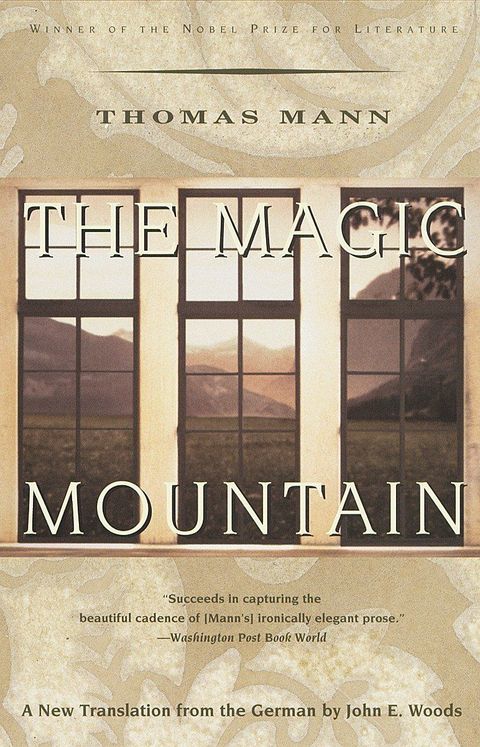
The Magic Mountain
SynopsisPlot
In this dizzyingly rich novel of ideas, Mann uses a sanatorium in the Swiss Alps--a community devoted exclusively to sickness--as a microcosm for Europe, which in the years before 1914 was already exhibiting the first symptoms of its own terminal irrationality.
Story
About this book
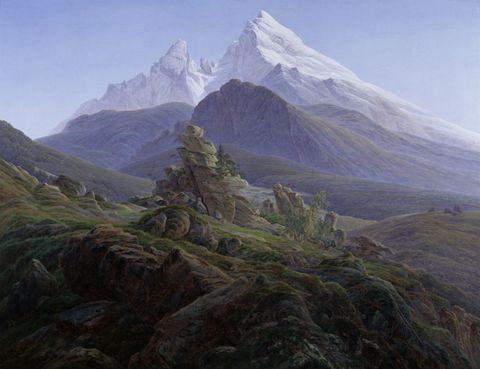
Hans Castorp, a young marine engineer from Hamburg, travels to a sanatorium high in the Swiss Alps to visit his ailing cousin. What begins as a brief stay stretches into years, as Castorp becomes absorbed into the enclosed world of the clinic and its patients. The mountain setting isolates the characters from ordinary life below, and time itself seems to slow and distort at altitude.
Thomas Mann published the novel in 1924, and it draws on his own visit to a sanatorium in Davos, where his wife was treated for a lung condition. The residents of the fictional Berghof sanatorium debate philosophy, politics, science, love, and death in long, detailed conversations. Two intellectual rivals, the humanist Settembrini and the authoritarian Naphta, compete for influence over Castorp's thinking, each representing a different current in European thought.
The novel uses the closed community of the sick as a small model for the broader condition of Europe in the years leading up to 1914. Illness, both physical and ideological, runs through the book as a central subject. Mann treats the passage of time with deliberate strangeness, letting weeks and months blur together as Castorp settles deeper into his life on the mountain.