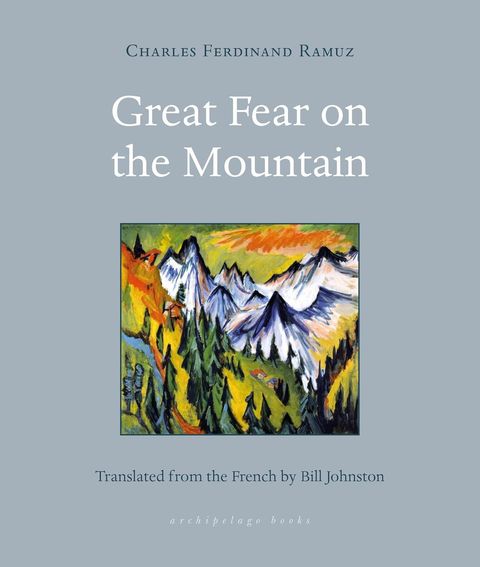
Great Fear on the Mountain
SynopsisPlot
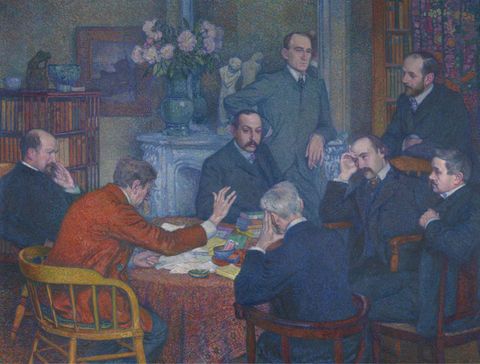
Teeming with tension, this immersive, rhapsodic story transports readers to the Swiss mountainside, bringing to mind the writing of Thomas Mann while offering character studies as vivid and bracing as Eudora Welty’s. Feed is running low in a rural village in Switzerland. The town council meets to decide whether or not to ascend a chimerical mountain in order to access the open pastures that have enough grass to “feed seventy animals all summer long.” The elders of the town protest, warning of the dangers and the dreadful lore that enfolds the mountain passageways like thick fog.
Story
About this book
In a small rural village in Switzerland, feed for livestock is running dangerously low. The town council gathers to discuss a difficult option: climbing a nearby mountain to reach open pastures said to hold enough grass to sustain seventy animals through the summer. The problem is that the mountain carries a fearsome reputation. Village elders warn against the ascent, pointing to old stories of danger and dread that cling to the passageways like fog. The younger or more desperate members of the community push back, arguing that the animals will starve if nothing is done.
Charles Ferdinand Ramuz sets the story in a landscape where practical need collides with inherited fear. The villagers who eventually form a group to brave the climb must contend not only with the physical difficulty of the mountain but with the psychological weight of local lore passed down through generations. Ramuz builds tension steadily, drawing his characters in sharp detail as they respond in different ways to the same threat.
The novel works as both a realistic portrait of alpine subsistence life and an allegorical study of how communities handle collective anxiety. Ramuz wrote in French from the Vaud region of western Switzerland, and his prose carries a close attention to terrain, weather, and the rhythms of rural decision-making.