Descent into Night
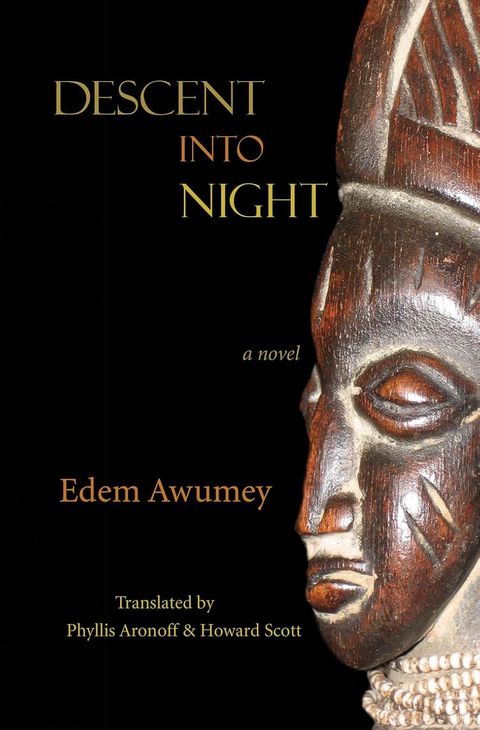
SynopsisPlot
With a nod to Samuel Beckett and Bohumil Hrabal, a young dramatist from a West African nation describes a student protest against a brutal oligarchy and its crushing aftermath. While distributing leaflets with provocative quotations from Beckett, Ito Baraka is taken to a camp where torture, starvation, beatings, and rape are normal. Forced to inform on his friends, whose fates he now fears, and released a broken man, he is enabled to escape to Quebec. His one goal is to tell the story of the protest and pay homage to Koli Lem, a teacher, cellmate, and lover of books, who was blinded by being forced to look at the sun--and is surely a symbol of the nation.
Story
About this book
Ito Baraka, a young dramatist from an unnamed West African nation, distributes leaflets containing quotations from Samuel Beckett as part of a student protest against a ruling oligarchy. He is seized and taken to a detention camp where torture, starvation, and sexual violence are routine. Inside the camp he meets Koli Lem, a teacher and devoted reader who has been blinded by being forced to stare directly at the sun. The two form a bond built around language and shared endurance in captivity.
After his release, Ito reaches Quebec, settling in a small flat in Gatineau with his girlfriend, Kimi, who is Indigenous. He is gravely ill and aware that time is short. His remaining purpose is to finish a written account of the protest, the camp, and the people he knew there, especially Koli Lem. The novel moves between these two settings, the bright, punishing heat of a dictatorship and the cold distance of a Canadian city, as Ito tries to set down a record before he cannot.
Edem Awumey, born in Togo, draws on the literary worlds of Beckett and the Czech writer Bohumil Hrabal. The book examines how creativity and performance persist under repression, and how the act of writing can serve as both testimony and obligation.