Satantango
SynopsisPlot
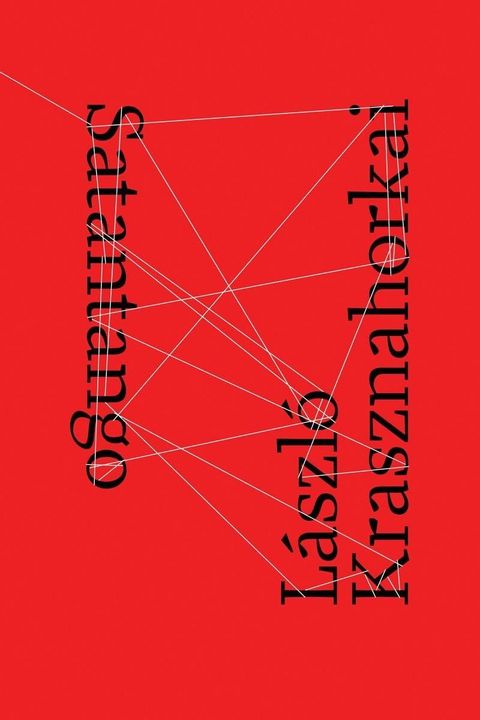
Now in paperback, Satantango, the novel that inspired Béla Tarr’s classic film, is proof that the devil has all the good times. Set in an isolated hamlet, the novel unfolds over the course of a few rain-soaked days. Only a dozen inhabitants remain in the bleak village, rank with the stench of failed schemes, betrayals, failure, infidelity, sudden hopes, and aborted dreams. “Their world,” in the words of the renowned translator George Szirtes is “rough and ready, lost somewhere between the cosmic and tragic, in one small insignificant corner of the cosmos. Theirs is the dance of death.” Into this world comes, it seems, a messiah…
Story
About this book
Satantango is set in a small, nearly abandoned hamlet on the Hungarian plain. Over a handful of rain-soaked days, about a dozen remaining residents drift through schemes, betrayals, infidelity, and collapsing hopes. Into this stagnant place arrives a figure who seems to offer a way out, a messianic promise that pulls the villagers toward him.
The novel's structure mirrors the tango of its title. Its chapters move forward and then double back, revisiting the same events from different angles so that the reader gradually assembles a fuller picture of what is happening and why. László Krasznahorkai writes in long, winding sentences that carry the narrative forward without conventional breaks, creating a dense, unrelenting rhythm. The Hungarian author published the book in 1985, and it later became the basis for Béla Tarr's seven-hour film adaptation.
George Szirtes translated the novel into English, keeping the sustained, looping sentence style that defines Krasznahorkai's prose. The atmosphere of slow decay and uneasy expectation runs through the book, along with themes of collective credulity, the appeal of a promised rescue, and the difficulty of leaving a place that has already failed.