The Paul Street Boys
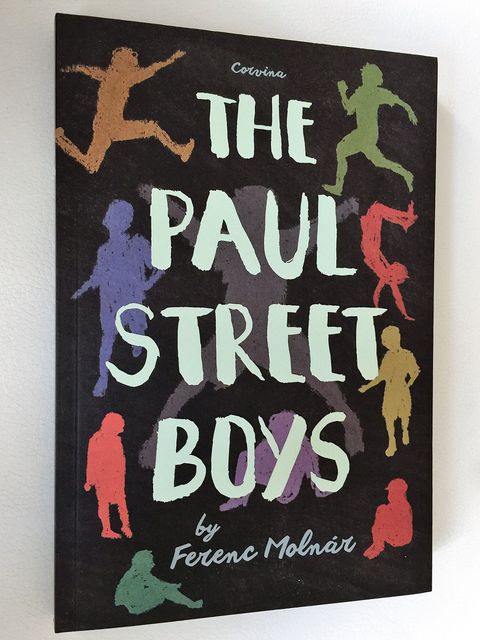
SynopsisPlot
"At the time Ferenc Molnár wrote The Paul Street Boys, Cooper's Indian war stories were extremely popular in Hungary and there is the flavor of their morality in this book," writes Mátyás Sárközi, Molnár's grandson, in his Preface to the present edition. "There are examples of good camaraderie, loyalty, and idealism, but Molnár always manages to save himself from being too sentimental. Like Mark Twain, he has the wit and the good writer's sense to mix the grotesque with the pathetic."
Story
About this book
Ferenc Molnar published The Paul Street Boys in 1906. Set in Budapest, the novel follows a group of schoolboys who claim a vacant lot, known as the grund, as their territory for games and meetings. A rival gang called the Redshirts wants to take the lot for themselves, and the story builds around the escalating conflict between the two groups. The boys organize with military-style ranks and codes of honor, treating their dispute over a patch of urban ground with complete seriousness.
Among the Paul Street boys, Nemecsek stands out as the only one holding the rank of private. His loyalty to the group and his determination to prove himself drive much of the novel's emotional weight. Molnar, as his grandson Mátyás Sárközi notes in a later preface, was influenced by the popularity of James Fenimore Cooper's frontier stories in Hungary at the time. The comparison to Mark Twain is also relevant: Molnar balances humor and absurdity against genuine feeling without tipping into sentimentality.
The novel explores how children construct hierarchies, enforce loyalty, and assign meaning to places that adults consider unremarkable. Its Budapest setting grounds the action in a specific neighborhood, giving the boys' struggle a concrete geography rather than an abstract backdrop.