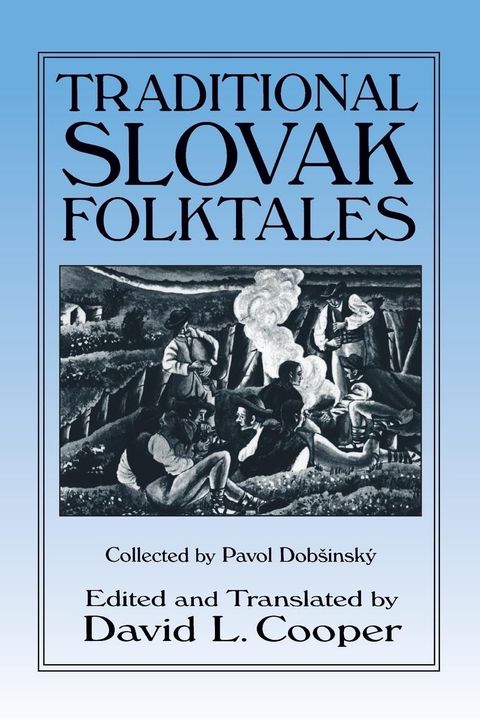
Traditional Slovak Folktales
SynopsisPlot
Most of the fifty tales assembled here from the collections of folklorist Pavol Dobsinsky are translated into English for the first time. The poetic qualities of the originals have been carefully preserved. The general reader will enjoy these tales immensely, and students will find an insightful introduction to the genres of the folktale and the specifics of Slovak tales. For expert readers, all of the tales have been classified according to the Aarne-Thompson index, and many include short commentaries that draw on the work of Viera Gasparikova.
Story
About this book
This collection brings together fifty Slovak folktales drawn from the work of Pavol Dobsinsky, a nineteenth-century folklorist who spent years gathering oral stories from villages across Slovakia. Most of these tales appear in English translation for the first time in this volume, edited and translated by David L. Cooper. The translation aims to preserve the poetic qualities of the Slovak originals while making them accessible to readers outside Central Europe.
Cooper provides an introduction covering the genres found within the folktale tradition and the particular features of Slovak storytelling. For readers with a scholarly interest, each tale has been classified using the Aarne-Thompson index, a widely used system that assigns numerical codes to recurring plot types found across world folklore. Many entries also include short commentaries informed by the research of Viera Gasparikova, a specialist in Slovak folk narrative.
The tales themselves range across the familiar categories of European oral literature: magical stories, animal tales, and stories built around trickery or moral lessons. Slovakia's folk tradition has historically received less attention in English-language publishing than the traditions of neighboring countries, which makes this compilation an unusual point of entry into a storytelling culture shaped by the mountains, rivers, and rural communities of the Carpathian region.