The Sickness
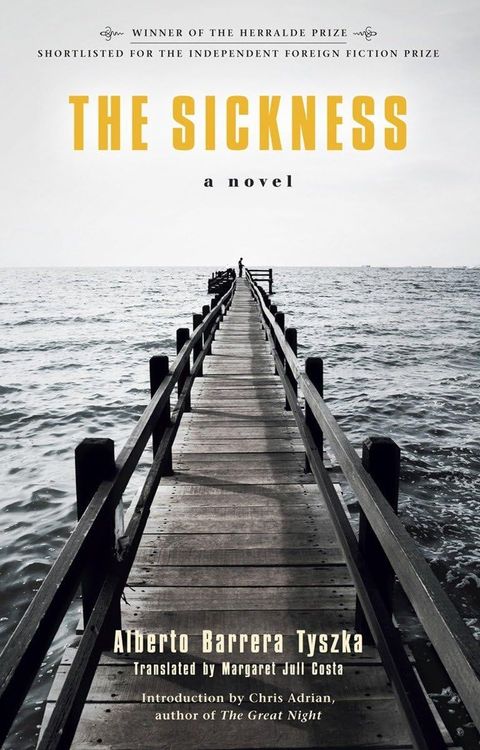
SynopsisPlot
Dr. Miranda is faced with a tragedy: his father has been diagnosed with terminal cancer and has only a few weeks to live. He is also faced with a dilemma: How does one tell his father he is dying? Ernesto Duran, a patient of Dr. Miranda’s, is convinced he is sick. Ever since he separated from his wife he has been presenting symptoms of an illness he believes is killing him. It becomes an obsession far exceeding hypochondria. The fixation, in turn, has its own creeping effect on Miranda’s secretary, who cannot, despite her best intentions, resist compassion for the man.
Story
About this book
Dr. Miranda knows death well enough as a physician, but when his own father is diagnosed with terminal cancer and given only weeks to live, professional familiarity offers no comfort. He faces a specific, painful question: how to tell his father the truth. Meanwhile, one of his patients, Ernesto Duran, is gripped by the conviction that he is gravely ill. Since separating from his wife, Duran has developed persistent symptoms he believes are fatal. His certainty grows into something beyond ordinary hypochondria, and when Miranda stops responding to his letters and messages, Duran begins to follow him.
The two storylines run side by side, contrasting real terminal illness with illness that may exist only in the mind. A third figure, Miranda's secretary, is gradually drawn into Duran's fixation. Despite her own reluctance, she finds herself unable to stay detached from his distress. The novel uses these intersecting lives to examine how sickness reshapes relationships, erodes control, and blurs the line between caretaker and patient.
Alberto Barrera Tyszka is a Venezuelan writer, and the novel was originally published in Spanish. The story is set in a world of clinics, waiting rooms, and unanswered correspondence, where medical authority meets the limits of what any person can manage alone.