Fever Dream
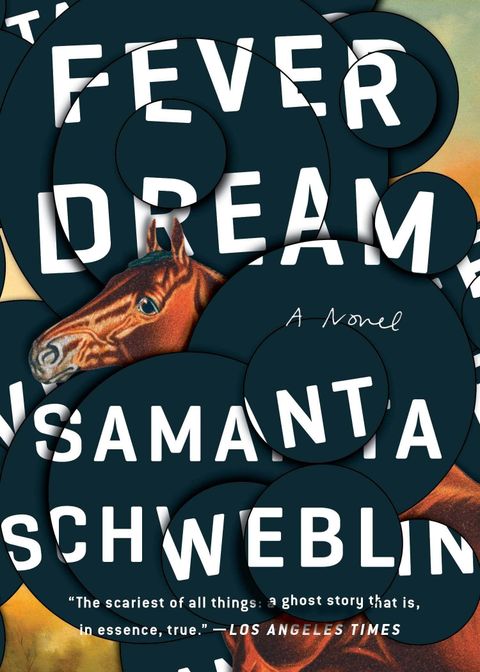
SynopsisPlot
A young woman named Amanda lies dying in a rural hospital clinic. A boy named David sits beside her. She’s not his mother. He's not her child. Together, they tell a haunting story of broken souls, toxins, and the power and desperation of family. Fever Dream is a nightmare that comes to life, a ghost story for the real world, a love story, and a cautionary tale.
Story
About this book
Fever Dream opens in a rural hospital clinic where a young woman named Amanda is dying. Beside her sits a boy called David, who is not her child. The two of them reconstruct, through urgent back-and-forth dialogue, a sequence of events involving toxins, illness, and the ties between parents and children. The entire novel unfolds as this single tense conversation, with David pressing Amanda to identify the exact moment when things went wrong.
The setting is the Argentine countryside, where Amanda has been staying with her young daughter during a holiday. What begins as a quiet rural retreat turns unsettling as the story reveals connections between agricultural chemicals, unexplained sickness, and local beliefs about the migration of souls between bodies. Schweblin builds dread not through explicit horror but through accumulation of small, disorienting details and the growing sense that something essential has shifted.
Originally written in Spanish, the novel is notably short, closer to a novella in length. Schweblin, an Argentine author, constructs the narrative almost entirely through dialogue, giving the book a compressed, breathless quality. The tension between what Amanda remembers and what David insists she notice drives the story forward without pause.