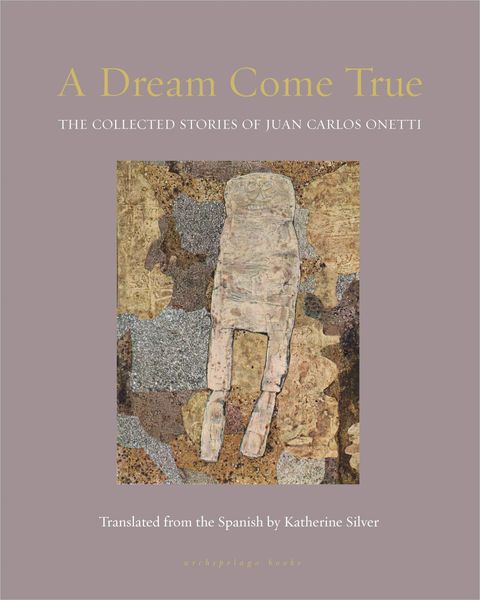
A Dream Come True
SynopsisPlot
Juan Carlos Onetti's A Dream Come True depicts a sharp, coherent, literary voice, encompassing Onetti's early stages of writing and his later texts. They span from a few pages in Avenida de Mayo - Diagonal - Avenida de Mayo to short novellas, like the celebrated detective story The Face of Disgrace and Death and the Girl, an existential masterpiece that explores the complexity of violence and murder in the mythical town of Santa María. His stories create a world of writing which is both universal and highly local, mediating between philosophical characters and the quotidian melodrama of Uruguayan villages.
Story
About this book
A Dream Come True gathers the complete short fiction of Uruguayan writer Juan Carlos Onetti, translated into English by Katherine Silver. The collection spans his full career, from early pieces like the brief Avenida de Mayo - Diagonal - Avenida de Mayo to longer works such as the detective story The Face of Disgrace and the novella Death and the Girl, set in his recurring fictional town of Santa María. Onetti won the Cervantes Prize in 1980, and writers including Mario Vargas Llosa and Gabriel García Márquez regarded him as a central figure in Latin American literature.
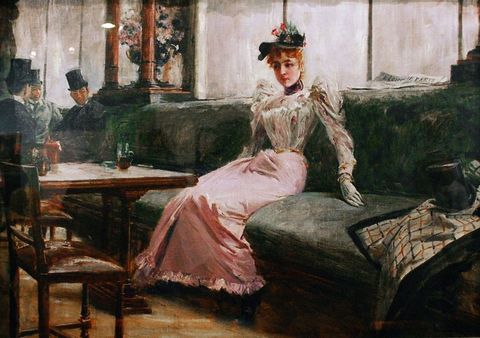
The stories move between philosophical inquiry and the ordinary tensions of small-town life. A woman passes time alone at a coastal hotel while recovering from illness. A grandmother prepares coffee for schoolboys who remind her of a grandson she has lost. Onetti's writing style is indirect and layered, with events and motives suggested rather than stated outright. His characters often appear unmoored, passing through unfamiliar settings among strangers.
Santa María, the invented town that recurs across several of these stories, serves as a contained space where Onetti examines violence, isolation, and the texture of daily routine in places modeled loosely on Uruguayan and Argentine river towns.