Life Is a Dream
SynopsisPlot
Imbued with highly poetic language and humanist ideals, it is an allegory that considers contending themes of free will and predestination, illusion and reality, played out against the backdrop of court intrigue and the restoration of personal honor. In the mountainous barrens of Poland, the rightful heir to the kingdom has been imprisoned since birth in an attempt by his father to thwart fate. Meanwhile, a noblewoman arrives to seek revenge against the man who deceived and forsook her love for the prospect of becoming king of Poland. Richly symbolic and metaphorical, Life Is a Dream explores the deepest mysteries of human experience.
Story
About this book
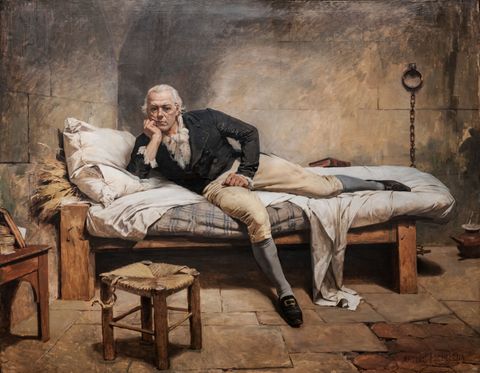
Life Is a Dream, originally written in Spanish as La vida es sueño, is a verse play by Pedro Calderón de la Barca first performed in the 1630s during the Spanish Golden Age. The story is set in a fictionalized Poland, where a prince named Segismundo has been locked in a remote tower since birth. His father, King Basilio, imprisoned him after astrologers predicted the prince would grow into a tyrant. The play opens with Segismundo chained in a mountainous wasteland, unaware of his royal identity.
A parallel storyline follows Rosaura, a noblewoman who arrives in Poland disguised and seeking justice against a man who betrayed her. Her path crosses with Segismundo's, and both characters become entangled in the political tensions surrounding the throne. When Basilio decides to test his son by briefly granting him power, the experiment raises urgent questions about whether people can overcome a destiny imposed on them.
The play's central tension sits between fate and personal choice. Calderón uses the recurring image of life as a dream to ask whether what we experience while awake is any more certain than what we experience while asleep. The structure moves between philosophical monologue and court intrigue, grounding abstract ideas in specific dramatic conflict.