The Labyrinth of Solitude
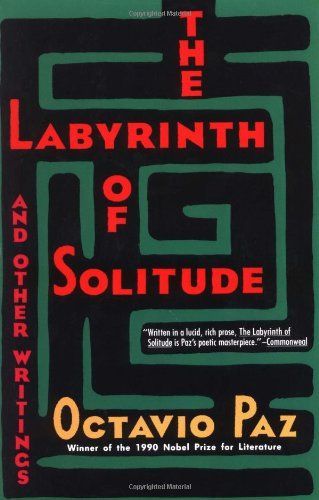
SynopsisPlot
Compared to Ortega y Gasset's The Revolt of the Masses for its trenchant analysis, this collection contains his most famous work, "The Labyrinth of Solitude," a beautifully written and deeply felt discourse on Mexico's quest for identity that gives us an unequaled look at the country hidden behind "the mask." Also included are "The Other Mexico," "Return to the Labyrinth of Solitude," "Mexico and the United States," and "The Philanthropic Ogre," all of which develop the themes of the title essay and extend his penetrating commentary to the United States and Latin America.
Story
About this book
The Labyrinth of Solitude is a collection of essays by Mexican writer and critic Octavio Paz, centered on his best-known work of the same title. In the title essay, Paz examines Mexico's search for national identity, looking at the ways Mexicans present themselves to the world and the cultural masks that shape daily life and public behavior. He traces patterns in Mexican history, language, fiestas, and attitudes toward death, arguing that a deep sense of solitude runs through the country's character and social structures.
The collection also includes several companion pieces. The Other Mexico revisits and updates the themes of the title essay, while Return to the Labyrinth of Solitude responds to questions raised by the original work years after its publication. Mexico and the United States considers the relationship between the two neighboring countries, and The Philanthropic Ogre extends Paz's analysis to the role of the state across Latin America. Together, these essays build a sustained argument about how geography, colonial history, and revolution have shaped identity in the region.
The title essay has been compared to Ortega y Gasset's The Revolt of the Masses for its analytical scope. Paz, who is widely regarded as one of Mexico's foremost writers, uses a style that blends cultural criticism with personal observation and historical interpretation.