Oblivion: A Memoir
SynopsisPlot
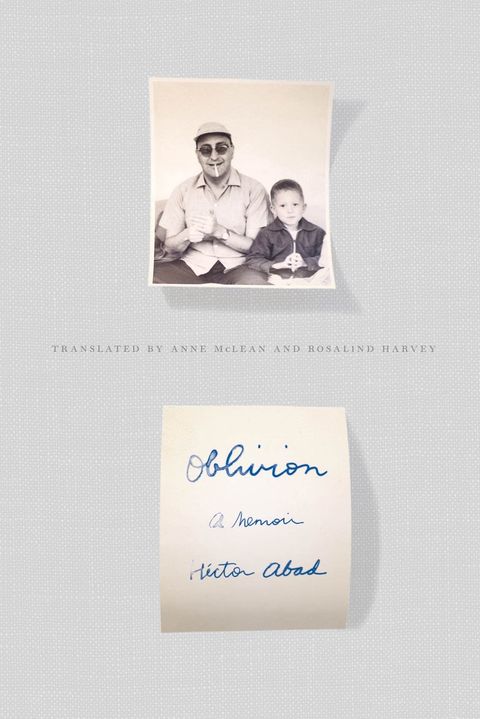
Héctor Abad's Oblivion is a heartbreaking, exquisitely written memorial to the author's father, Héctor Abad Gómez, whose criticism of the Colombian regime led to his murder by paramilitaries in 1987. Twenty years in the writing, it paints an unforgettable picture of a man who followed his conscience and paid for it with his life during one of the darkest periods in Latin America's recent history.
Story
About this book
Héctor Abad Faciolince spent roughly twenty years writing this memoir about his father, Héctor Abad Gómez, a Colombian doctor and human rights advocate who was killed by paramilitaries in Medellín in 1987. The book traces the elder Abad Gómez's life as a public health professor who spoke openly against poverty, inequality, and political violence in Colombia during a period of widespread paramilitary activity and civic repression.
Much of the memoir is built around the relationship between father and son. Faciolince recalls a household shaped by his father's warmth, intellectual curiosity, and stubborn commitment to social causes. The portrait is domestic as much as political: meals, letters, everyday routines sit alongside accounts of threats, censorship, and the narrowing space for dissent in Colombian public life during the 1970s and 1980s.
The book also examines how a family absorbs and carries forward an act of political violence over decades. Faciolince writes from the position of someone reconstructing both a person and a historical moment, working through memory, documents, and the long gap between the event and the page. The memoir was originally published in Spanish and later translated into English by Anne McLean.