The Armies
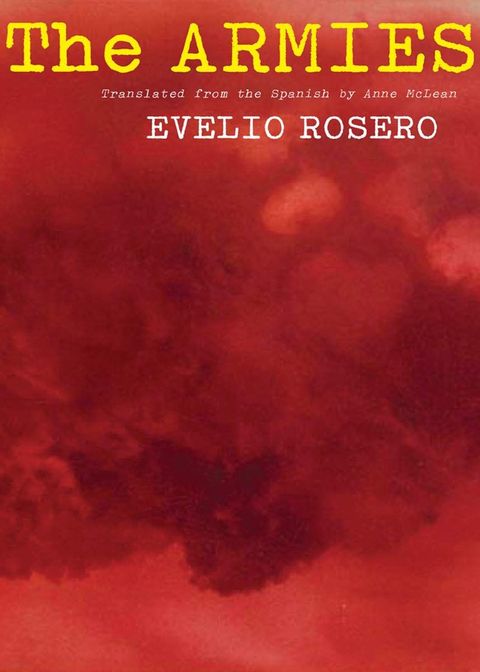
SynopsisPlot
Ismail, the professor, is a retired teacher in a small Colombian town where he passes the days pretending to pick oranges while spying on his neighbor Geraldina as she lies naked in the shade of a ceiba tree on a red floral quilt. The garden burns with sunlight; the macaws laugh sweetly. Otilia, Ismail's wife, is ashamed of his peeping and suggests that he pay a visit to Father Albornoz. Instead, Ismail wanders the town visiting old friends, plagued by a tangle of secret memories: Where have I existed these years? I answer myself: up on the wall, peering over. When the armies slowly arrive, the professor's reveries are gradually taken over by a living hell. His wife disappears and he must find her. We learn that not only gentle, grassy hillsides surround San José but landmines and coca fields. The reader is soon engulfed by the violence of Rosero's narrative which is touched not only with deep sadness but an extraordinary tenderness.
Story
About this book
Ismael is a retired teacher living in San José, a small town in Colombia. His days follow a quiet routine: he wanders his garden, pretends to tend his orange trees, and watches his neighbor Geraldina sunbathing beneath a ceiba tree. His wife Otilia disapproves of his habits and urges him to visit the local priest. Ismael drifts through town instead, visiting old friends, carrying memories he has never fully sorted through. The peace of the place feels sturdy, even lazy, with macaws calling and green hillsides rolling out in every direction.
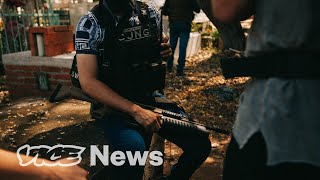
That surface begins to crack when armed groups move into the area. What once looked like gentle countryside turns out to conceal landmines and coca fields. The violence arrives gradually, tightening around the town until ordinary life becomes impossible. Otilia disappears, and Ismael is forced out of his passive routines to search for her. The novel follows his movement through a place he thought he understood but which has been reshaped by conflict beyond his control.
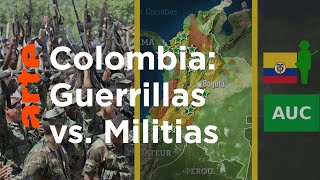
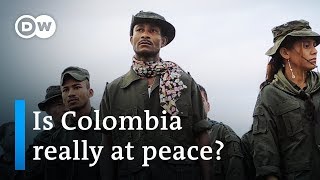
Evelio Rosero sets the story against the long-running armed struggle in rural Colombia, where civilian towns often found themselves caught between guerrillas, paramilitaries, and drug traffickers. The book holds its focus tightly on one elderly man's limited view, using his confusion and proximity to register the human cost of the fighting.