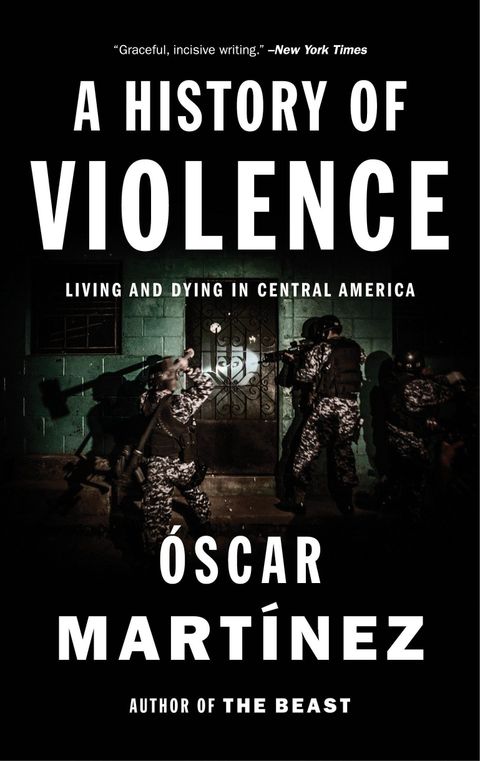
A History of Violence: Living and Dying in Central America
SynopsisPlot
Martínez travels to Nicaraguan fishing towns, southern Mexican brothels where Central American women are trafficked, isolated Guatemalan jungle villages, and crime-ridden Salvadoran slums. With his precise and empathetic reporting, he explores the underbelly of these troubled places. He goes undercover to drink with narcos, accompanies police patrols, rides in trafficking boats, and hides out with a gang informer. The result is an unforgettable portrait of a region of fear and a subtle analysis of the North American roots and reaches of the crisis, helping to explain why this history of violence should matter to all of us.
Story
About this book
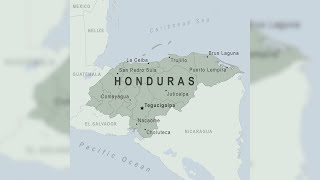
Oscar Martinez is a Salvadoran journalist whose earlier book, The Beast, was named one of the year's best titles by the Economist and the Financial Times. Here he reports across Central America, where El Salvador and Honduras have registered the world's highest homicide rates during the past decade. The book moves between very different settings rather than staying in one city.
Martinez travels to fishing towns in Nicaragua, remote jungle villages in Guatemala, crowded slums in El Salvador, and brothels in southern Mexico where trafficked women from Central America end up. His method is direct and physical: he drinks with narcos while undercover, joins police patrols, rides in boats used for smuggling, and shelters for a time with a gang informer. Encounters are recorded closely rather than from a safe distance.
Martinez also follows the crisis outward, tracing its roots and reach in North America and connecting it to arguments about immigration policy in the United States. The reporting links local conditions to the reasons millions of people have left the region, and it keeps its attention on named places and specific lives rather than statistics alone.