Machete Season
SynopsisPlot
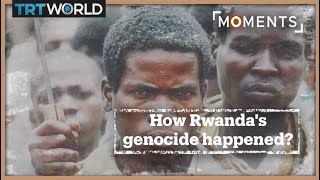
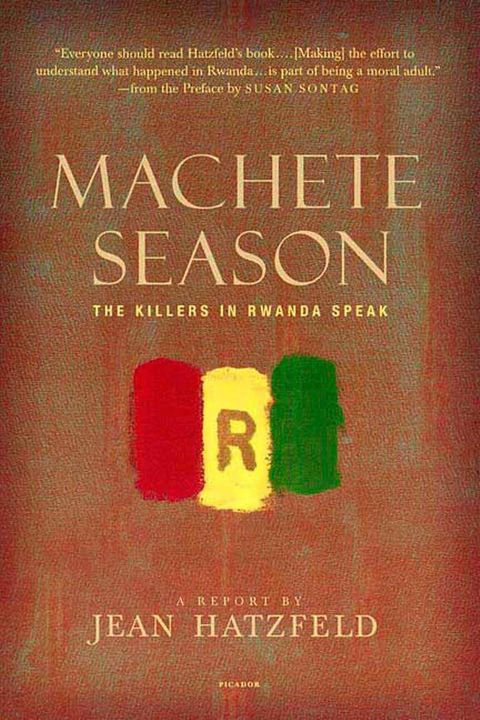
In April-May 1994, 800,000 Rwandan Tutsis were massacred by their Hutu fellow citizens--about 10,000 a day, mostly being hacked to death by machete. In Machete Season, the veteran foreign correspondent Jean Hatzfeld reports on the results of his interviews with nine of the Hutu killers. They were all friends who came from a single region where they helped to kill 50,000 out of their 59,000 Tutsi neighbors, and all of them are now in prison, some awaiting execution. It is usually presumed that killers will not tell the truth about their brutal actions, but Hatzfeld elicited extraordinary testimony from these men about the genocide they had perpetrated. He rightly sees that their account raises as many questions as it answers. Adabert, Alphonse, Ignace, and the others (most of them farmers) told Hatzfeld how the work was given to them, what they thought about it, how they did it, and what their responses were to the bloodbath.
Story
About this book
Between April and May 1994, approximately 800,000 Tutsi people in Rwanda were killed by Hutu citizens over a period of weeks. The rate of killing reached roughly 10,000 people per day, most struck down with machetes. Machete Season is built from interviews that journalist Jean Hatzfeld conducted with nine Hutu men, all now imprisoned, who took part in the violence. The men came from the same district and knew one another. In their region, an estimated 50,000 of the 59,000 Tutsi inhabitants were killed.
Hatzfeld, a veteran foreign correspondent, recorded how these men described the organization of the killings, their own participation, and their reactions during and after. Most of the interviewees were farmers before the genocide. What makes the book unusual is its direct reliance on the perpetrators' own words and recollections. Hatzfeld does not treat their statements as settled truth. He notes that such testimony raises difficult questions even as it appears to offer explanations.
The book sits within Hatzfeld's broader work on Rwanda, which also includes accounts from survivors. Its focus on a small group from one area gives the material a specific, local scale rather than a purely statistical view of the 1994 genocide.