I, Rigoberta Menchu
SynopsisPlot
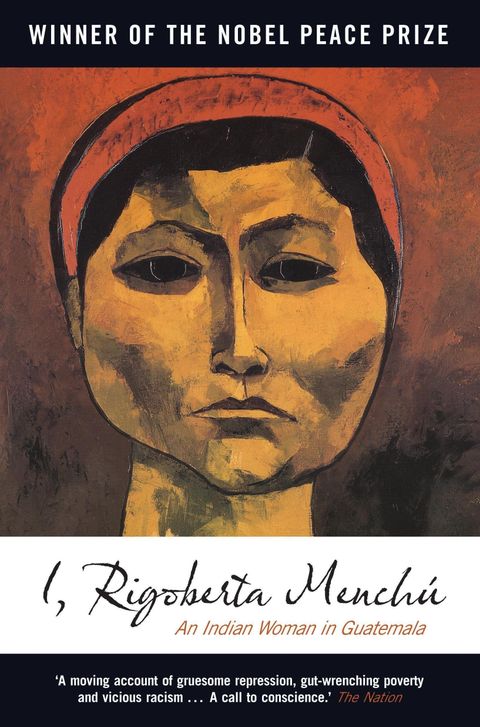
Now a global bestseller, the remarkable life of Rigoberta Menchú, a Guatemalan peasant woman, reflects on the experiences common to many Indian communities in Latin America. Menchú suffered gross injustice and hardship in her early life: her brother, father, and mother were murdered by the Guatemalan military. She learned Spanish and turned to catechistic work as an expression of political revolt as well as religious commitment. Menchú vividly conveys the traditional beliefs of her community and her personal response to feminist and socialist ideas. Above all, these pages are illuminated by the enduring courage and passionate sense of justice of an extraordinary woman.
Story
About this book
Rigoberta Menchú grew up in the highlands of Guatemala as part of the K'iche' Maya community. Her account, originally narrated in Spanish to anthropologist Elisabeth Burgos-Debray and published in 1983, describes the daily realities of indigenous life in a country shaped by deep inequalities between ladino and Maya populations. Menchú details agricultural labor, communal customs, and the spiritual practices that structured her community's calendar and identity.
The book also records how Guatemala's military conflict reached into rural villages during the late 1970s and early 1980s. Menchú's brother, father, and mother were killed by the Guatemalan military, events she recounts with directness. Facing continued danger, she learned Spanish as a second language and began organizing through both Catholic catechist networks and broader political movements. Her testimony sits at the intersection of religious commitment and political resistance, reflecting how indigenous communities responded to state violence.
Menchú was awarded the Nobel Peace Prize in 1992, partly in recognition of this testimony and her wider advocacy for indigenous rights across Latin America. The book has since been widely read and debated in universities and human rights circles around the world.