Huasipungo
SynopsisPlot
The novel's two revisions enabled Icaza to develop the main character, Andrés Chiliquinga, as a profoundly human and rational being. Through the suffering he is forced to endure, he, as a heroic figure, realizes that the patch of land that he has always labored for is land that belongs to them, to all who had labored it and improved it. Atavistic wisdom had taught him that one must oppose and combat despotism. The time had come to encourage and exhort his people to confront and declare their unwillingness to continue to be submitted to such iniquity. In the same manner in which the actions of the protagonist transcend communities, fragment traditions, and diminish attitudes, the message of the novel profoundly reverberated in a society steeped in traditional values and mores.
Story
About this book
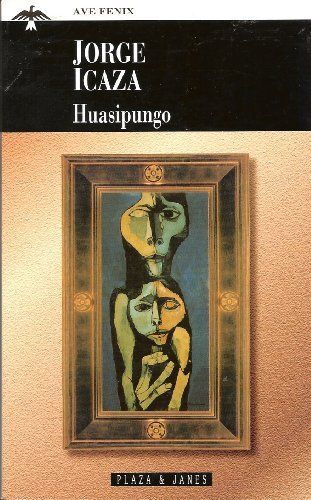
Huasipungo, first published in 1934, is a novel by Ecuadorian writer Jorge Icaza. The title refers to the small plots of land granted to indigenous laborers on large estates in the Ecuadorian highlands, a system rooted in colonial-era land arrangements. The story follows Andrés Chiliquinga, an indigenous worker whose life is shaped by the exploitation built into this system. Icaza revised the novel twice over the years, each time developing Chiliquinga further as a character with clear reasoning and deep awareness of his circumstances.
The central tension builds around land and who has a rightful claim to it. Chiliquinga comes to understand that the ground he and others have worked and improved belongs to the people who labored on it. He moves from endurance toward resistance, urging his community to confront the conditions imposed on them. The novel sits within the indigenista literary movement in Latin America, which centered the lives and struggles of indigenous peoples against structures of dispossession.
The book was translated into at least ten languages and was banned in several countries because of the force of its social message. Icaza became one of Ecuador's most internationally recognized writers largely through this work, which remains closely associated with debates over indigenous land rights across the continent.