The Underdogs
SynopsisPlot
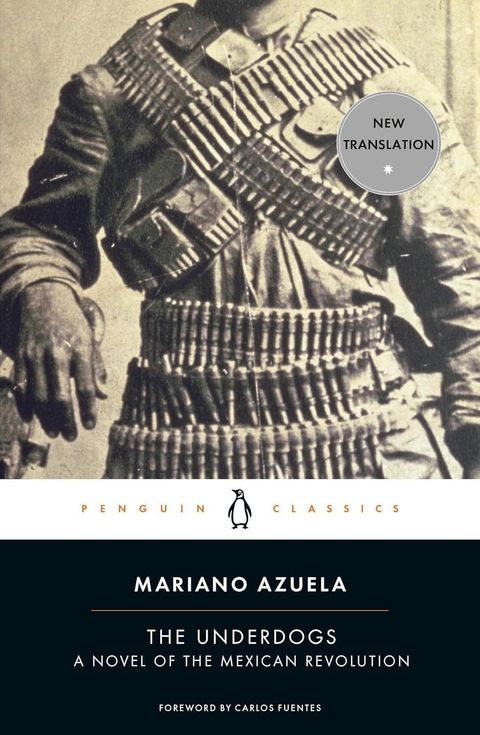
The Underdogs is the first great novel about the first great revolution of the twentieth century. Demetrio Macias, a poor, illiterate Indian, must join the rebels to save his family. Courageous and charismatic, he earns a generalship in Pancho Villa’s army, only to become discouraged with the cause after it becomes hopelessly factionalized. At once a spare, moving depiction of the limits of political idealism, an authentic representation of Mexico’s peasant life, and a timeless portrait of revolution, The Underdogs is an iconic novel of the Latin American experience and a powerful novel about the disillusionment of war.
Story
About this book
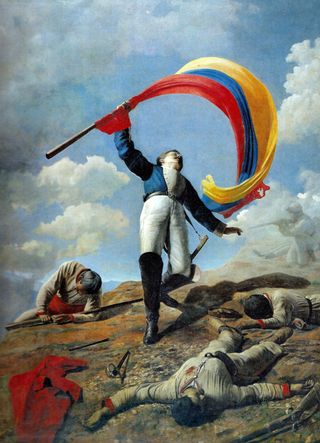
Mariano Azuela's The Underdogs follows Demetrio Macias, a poor farmer in rural Mexico who is forced to take up arms during the Mexican Revolution. After soldiers threaten his family, Demetrio joins the rebel fighters and, through a combination of bravery and natural leadership, rises to the rank of general under Pancho Villa. The novel traces his arc from reluctant participant to military commander, set against the shifting alliances and internal divisions that fractured the revolutionary movement after 1910.
Azuela, himself a physician who served with Villa's forces, wrote the novel during the conflict and first published it in serialized form in 1915. The story is told in short, direct episodes that move between battle scenes, encampments, and the small settlements of Mexico's mountainous interior. Peasant life, loyalty, opportunism, and the gap between revolutionary ideals and the chaos of factional warfare all run through the narrative.
As Demetrio's campaign continues, the cause he once believed in grows harder to define. Political goals give way to routine violence and rivalry among competing leaders. The novel stays close to the ground, presenting the revolution through the experiences of ordinary people caught inside it rather than through grand historical summary.