Macunaíma: The Hero with No Character
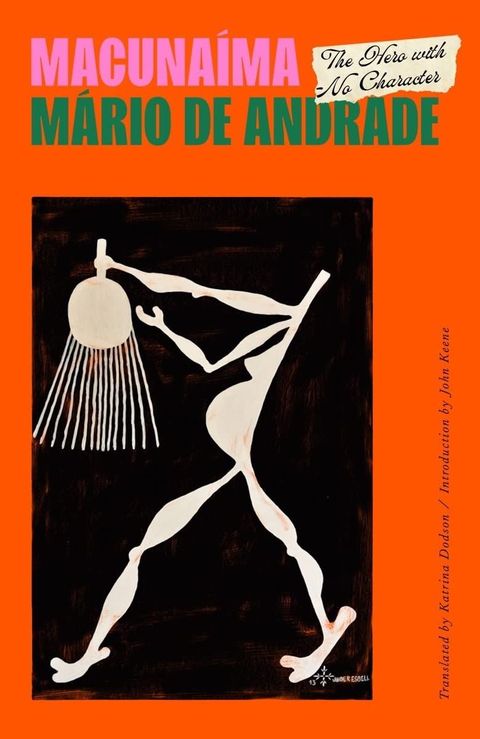
SynopsisPlot
This landmark 1928 novel follows the adventures of the shapeshifting Macunaíma and his brothers as they leave their Amazon home for a whirlwind tour of Brazil, cramming four centuries and a continental expanse into a single mythic plane. Having lost a magic amulet, the hero and his brothers journey to São Paulo to retrieve the talisman that has fallen into the hands of an Italo-Peruvian captain of industry (who is also a cannibal giant). Written over six delirious days―the fruit of years of study―Macunaíma magically synthesizes dialect, folklore, anthropology, mythology, flora, fauna, and pop culture to examine Brazilian identity. This brilliant translation by Katrina Dodson has been many years in the making and includes an extensive section of notes, providing essential context for this magnificent work.
Story
About this book
Macunaíma, first published in 1928, follows a shapeshifting hero of the same name and his brothers as they leave their Amazon home and travel across Brazil. The novel folds four centuries and a whole continent into one mythic plane. A lost magic amulet drives the plot: it has passed into the hands of an Italo-Peruvian industrialist in São Paulo, who is also a cannibal giant.
Mário de Andrade wrote the book over six days, drawing on years of study. The text blends dialect, folklore, anthropology, mythology, plants and animals, and popular culture, setting indigenous and European traditions beside each other while moving between rural and urban Brazil. The subtitle points to a protagonist without a fixed character, and the novel keeps circling the question of what Brazilian identity might be.
This English edition was translated by Katrina Dodson over many years and includes a long section of notes that explains references a reader outside Brazil may not recognise. Andrade was a central figure in Brazilian modernism, the movement that took shape around the 1922 Modern Art Week in São Paulo, where writers and artists argued for new national forms.