Pedro Páramo
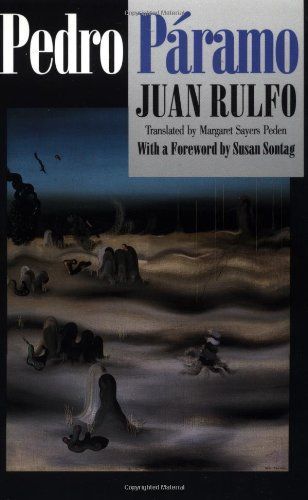
SynopsisPlot
Beseeched by his dying mother to locate his father, Pedro Páramo, whom they fled from years ago, Juan Preciado sets out for Comala. Comala is a town alive with whispers and shadows—a place seemingly populated only by memory and hallucinations. Built on the tyranny of the Páramo family, its barren and broken-down streets echo the voices of tormented spirits sharing the secrets of the past.
Story
About this book
Juan Preciado travels to the town of Comala at the request of his dying mother, who asks him to find his father, Pedro Páramo. The two had left Comala years earlier, and Juan arrives knowing almost nothing about the man or the place. What he finds is a town that seems emptied of the living, where voices fill the air and the boundary between the present and the past has dissolved. The people he encounters may be memories, ghosts, or something harder to classify.
Through fragmented scenes and shifting voices, the novel pieces together the story of Pedro Páramo himself, a landowner whose control over Comala was absolute. His obsessions, cruelties, and one enduring attachment shaped the fate of the entire settlement. Rulfo moves between timeframes without announcement, so that the reader assembles the history of the town gradually, often from the testimony of the dead.
First published in Mexico in 1955, the novel broke sharply from the realist tradition that had dominated Latin American fiction. Its combination of concrete sensory detail with unexplained, spectral events helped establish what later came to be called magical realism. Rulfo published very little in his lifetime, yet this short novel became one of the most widely read works of Mexican literature.