Doña Barbara
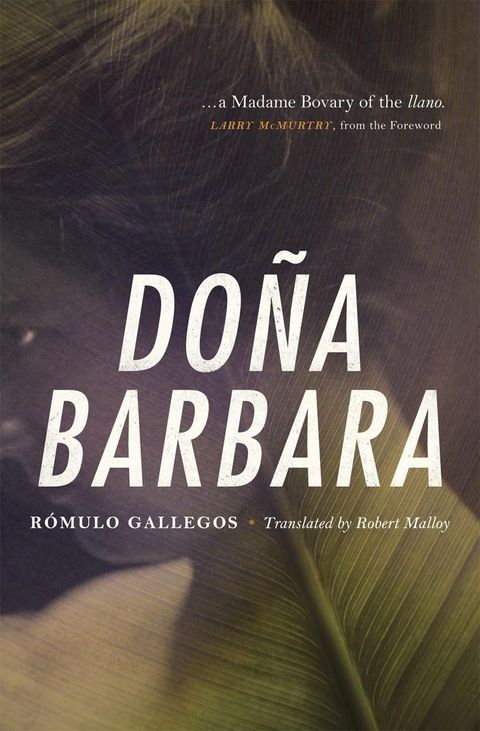
SynopsisPlot
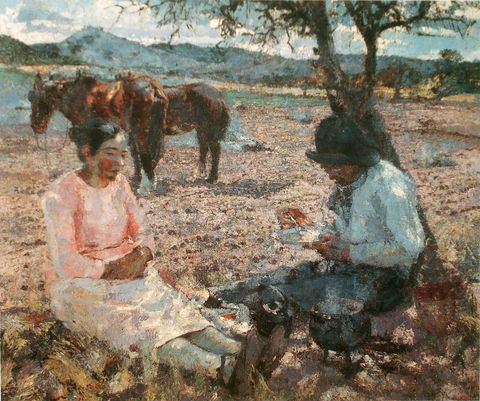
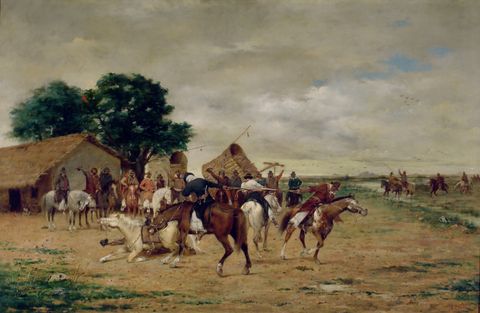
Following the epic struggle between two cousins for an estate in Venezuela, Doña Barbara is an examination of the conflict between town and country, violence and intellect, male and female. Doña Barbara is a beautiful and mysterious woman—rumored to be a witch—with a ferocious power over men. When her cousin Santos Luzardo returns to the plains in order to reclaim his land and cattle, he reluctantly faces off against Doña Barbara, and their battle becomes simultaneously one of violence and seduction. All of the action is set against the stunning backdrop of the Venezuelan prairie, described in loving detail. Gallegos’s plains are filled with dangerous ranchers, intrepid cowboys, and damsels in distress, all broadly and vividly drawn.
Story
About this book
Published in 1929, Doña Barbara is a novel by Venezuelan author Rómulo Gallegos set on the vast llano, the open prairie lands of Venezuela. The story follows a conflict between two cousins over a large estate and ranch. Santos Luzardo, an educated man, returns to the plains to reclaim his land and cattle. He finds himself opposed by Doña Barbara, a powerful and enigmatic woman rumored to possess supernatural abilities and known for her fierce hold over the men around her. Their confrontation plays out through both force and attraction.
The novel frames their struggle as a wider tension between urban and rural life, between intellect and violence. Gallegos renders the Venezuelan plains in close detail, populating them with rough ranchers, resourceful cowboys, and characters drawn in broad, vivid strokes. The landscape itself becomes central to the narrative, shaping the lives and decisions of everyone on it.
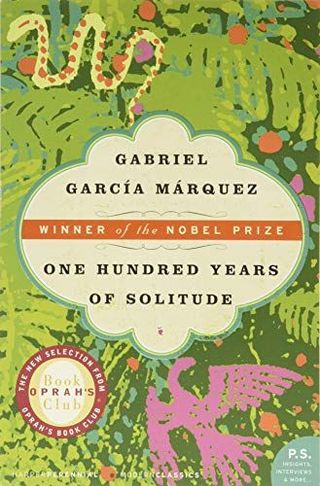
Doña Barbara is recognized as an early example of magical realism in Latin American fiction. The novel preceded and influenced later writers in the tradition, among them Gabriel García Márquez and Mario Vargas Llosa. Though widely read in Spanish, the book has been less well known among English-language audiences.