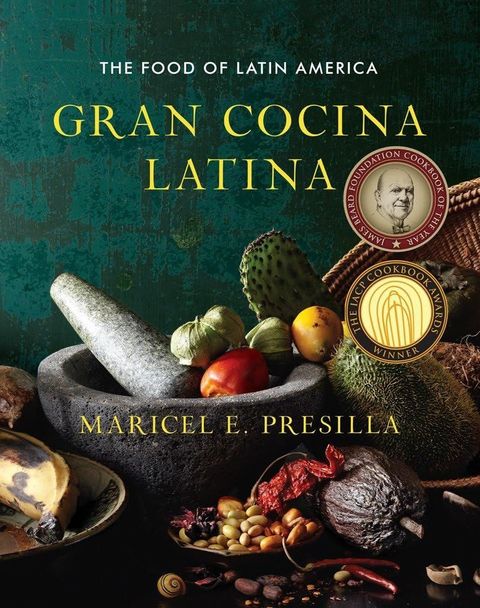
Gran Cocina Latina: The Food of Latin America
SynopsisPlot
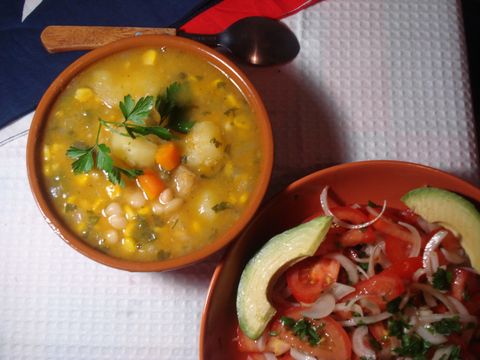
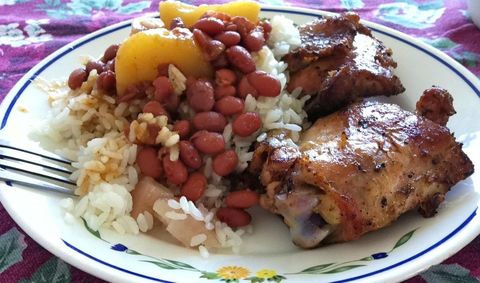
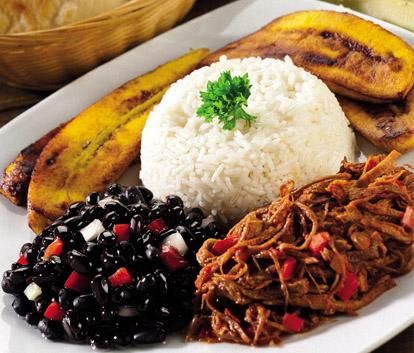
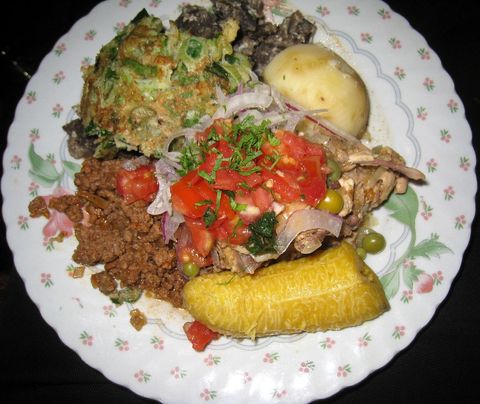
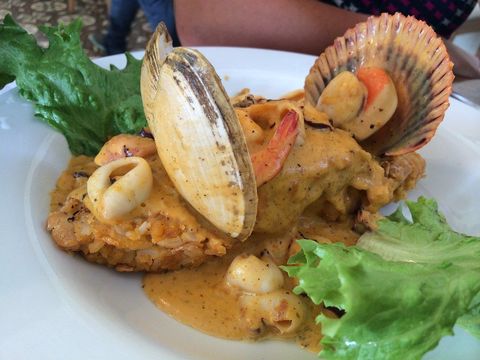
In one volume it gives home cooks, armchair travelers, and curious chefs the first comprehensive collection of recipes from this region. An inquisitive historian and a successful restaurateur, Maricel E. Presilla has spent more than thirty years visiting each country personally. She’s gathered more than 500 recipes for the full range of dishes, from the foundational adobos and sofritos to empanadas and tamales to ceviches and moles to sancocho and desserts such as flan and tres leches cake. Detailed equipment notes, drink and serving suggestions, and color photographs of finished dishes are also included. This is a one-of-a-kind cookbook to be savored and read as much for the writing and information as for its introduction to heretofore unrevealed recipes.
Story
About this book
Gran Cocina Latina gathers more than 500 recipes drawn from across Latin America. Its map runs south from Mexico, takes in the Caribbean islands where Spanish is spoken, and ends in Argentina. Maricel E. Presilla, a trained historian who also co-owns two Latin restaurants in Hoboken, New Jersey, spent over thirty years visiting these countries in person to collect the dishes.
The recipes begin with base preparations: adobos, which are seasoning pastes or marinades, and sofritos, the cooked aromatic mixtures that start many dishes. From there the book moves through empanadas and tamales, ceviches and moles, the stew called sancocho, and sweets including flan and tres leches cake. Equipment notes, drink and serving ideas, and color photographs of finished plates accompany the text.
Presilla's research background shapes how the material is arranged, with notes on where dishes come from and how ingredients and methods shift across borders. Rather than separating national cuisines into sealed chapters, the volume treats the region as one connected cooking area whose shared techniques take on local forms. It is aimed at home cooks, chefs, and readers who travel by page.