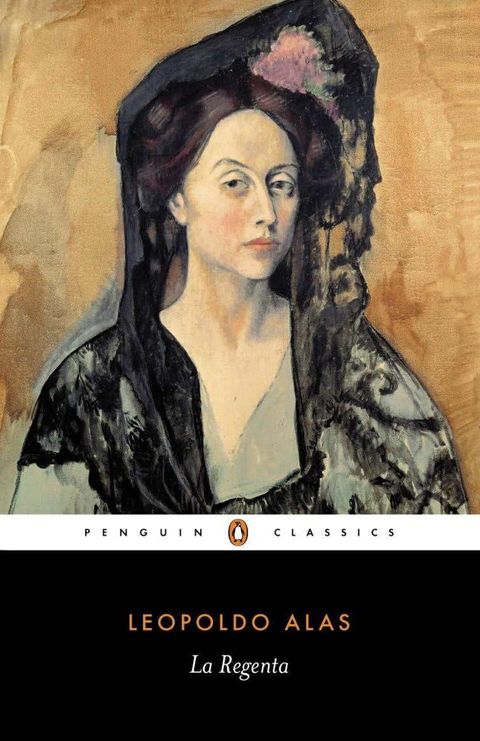
La Regenta
SynopsisPlot
Married to the retired magistrate of Vetusta, Ana Ozores cares deeply for her much older husband but feels stifled by the monotony of her life in the shabby and conservative provincial town. And when she embarks on a quest for fulfillment through religion and even adultery, a bitter struggle begins between a powerful priest and a would-be Don Juan for the passionate young woman's body and soul.
Story
About this book
Ana Ozores is married to the much older retired magistrate of Vetusta, a fictional provincial city in northern Spain. She respects her husband but finds daily life in this small, conservative town suffocating. Restless and intelligent, Ana begins searching for something to fill the emptiness, turning first to intense religious devotion and then to the attentions of a local seducer. Two men compete for influence over her: an ambitious priest who sees Ana as both a spiritual project and a personal obsession, and a charming aristocrat styling himself as a modern Don Juan.
Vetusta, widely understood as a thinly disguised version of Oviedo in Asturias, serves as a character in its own right. Leopoldo Alas uses the town's gossip, class rituals, and petty social hierarchies to build a detailed portrait of Spanish provincial life in the late nineteenth century. The clergy, the local gentry, and the professional classes all come under sharp observation.
First published in two volumes in 1884 and 1885, La Regenta caused controversy in Spain for its direct treatment of sexuality and its pointed criticism of the Catholic Church's role in everyday social life. It is one of the longest and most structurally ambitious novels of nineteenth-century Spanish literature.