Tragic Sense of Life
SynopsisPlot
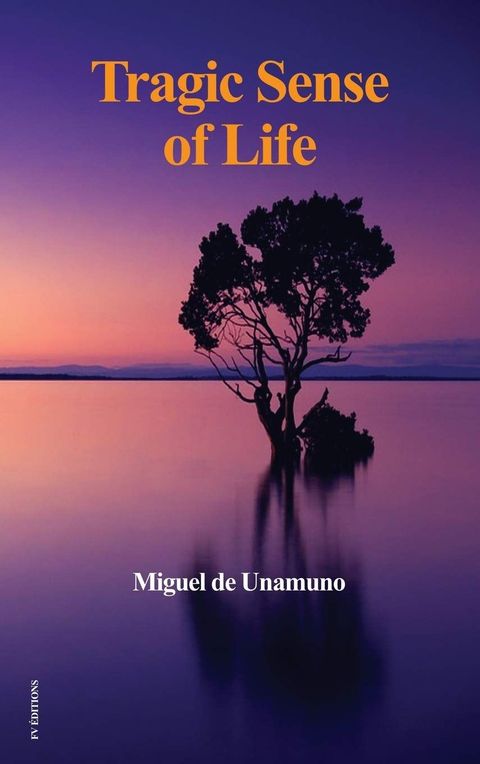
One hundred years ago, in 1913, Miguel de Unamuno published a book called The Tragic Sense of Life. It was considered - in his time - to be a masterpiece, an influential work of early existentialist philosophy. But The Tragic Sense of Life is more (or you might say less) than a work of philosophy. It is a deeply personal account of one man's anguish in the night.
Story
About this book
Miguel de Unamuno first published Del sentimiento trágico de la vida in 1913. The book is a work of philosophy, but it does not follow the usual academic structure of arguments and proofs. Instead, it reads as a personal and often anguished exploration of what it means to live knowing that death is certain and that reason cannot promise anything beyond it. Unamuno places the individual human being, not an abstract system, at the center of his thinking.
The core tension in the book runs between faith and reason. Unamuno argues that the desire for immortality is a basic human need, yet rational thought offers no reliable grounds for believing in it. Rather than resolving this conflict, he insists that the struggle itself gives life its depth and seriousness. He draws on theology, literature, and his own inner life to build a case that uncertainty is not a problem to be solved but a condition to be lived with.
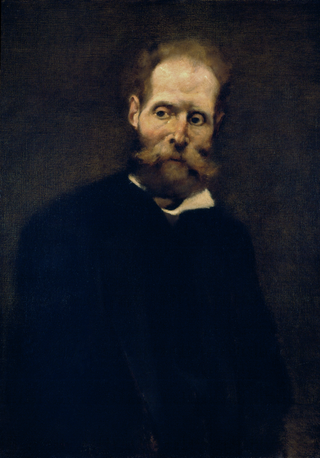
Unamuno was a Basque writer and rector of the University of Salamanca. The book was recognized in his lifetime as an early contribution to existentialist thought, shaped by the same questions that later occupied thinkers across Europe in the twentieth century.