Night Train to Lisbon

SynopsisPlot
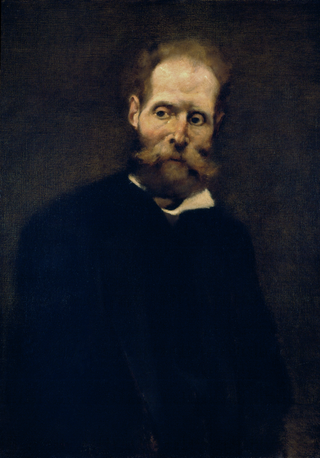
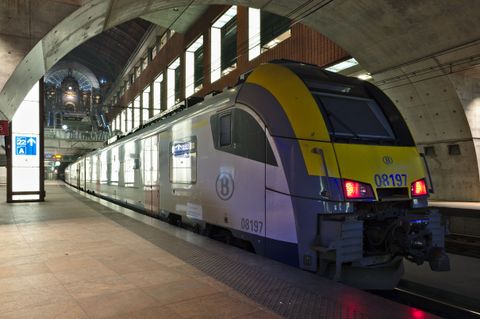
Raimund Gregorius is a Latin teacher at a Swiss college who one dayafter a chance encounter with a mysterious Portuguese womanabandons his old life to start a new one. He takes the night train to Lisbon and carries with him a book by Amadeu de Prado, a (fictional) Portuguese doctor and essayist whose writings explore the ideas of loneliness, mortality, death, friendship, love, and loyalty. Gregorius becomes obsessed by what he reads and restlessly struggles to comprehend the life of the author. His investigations lead him all over the city of Lisbon, as he speaks to those who were entangled in Prado’s life. Gradually, the picture of an extraordinary man emergesa doctor and poet who rebelled against Salazar’s dictatorship.
Story
About this book
Raimund Gregorius, a Latin teacher at a Swiss school, leads a quiet, orderly life until a chance meeting with a mysterious Portuguese woman upends everything. On impulse, he leaves his teaching post and boards a night train to Lisbon, carrying a book by Amadeu de Prado, a fictional Portuguese doctor and essayist. Prado's writings circle around loneliness, mortality, friendship, love, and loyalty, and Gregorius finds himself unable to put the book down.
In Lisbon, Gregorius sets out to learn who Prado really was. He tracks down people across the city who knew the doctor personally, piecing together fragments of a complicated life. What emerges is the portrait of a man who was both a physician and a poet, someone who lived under the Salazar dictatorship and chose to resist it. Each conversation Gregorius has adds a new layer to the picture, and each layer complicates the one before it.
The novel moves between Gregorius's present-day search and the philosophical passages attributed to Prado, whose reflections on how people understand themselves and others give the story its slower, more contemplative rhythm. Lisbon itself serves as a constant backdrop, its streets and neighborhoods shaping the path of the investigation.