Whites Can Dance Too
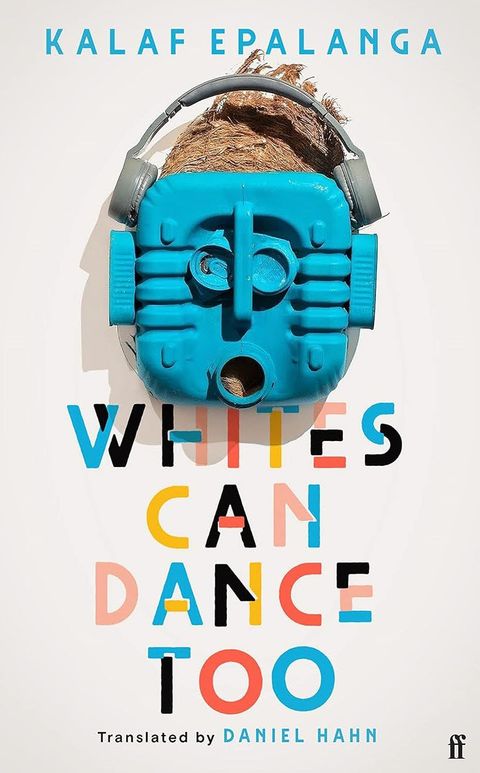
SynopsisPlot
Hours before performing at one of Europe’s most iconic music festivals, Kalaf Epalanga is detained at the border on suspicion of being an illegal immigrant. Trapped, his thoughts soon thrum to the beat of kuduro, the blistering, techno-infused Angolan music which has taken him from Luanda to Kristiansund, Beirut to Rio de Janeiro, Paris to Lisbon. Shifting between his reflections while incarcerated, and the stories of Sofia – Kalaf’s friend at the heart of the Lisbon dance scene – and the ‘Viking’, the immigration official holding Kalaf’s fate in his hands, Whites Can Dance Too is a celebration of the music of Epalanga’s homeland, and a hypnotic paean to cultural roots, to freedom and love.
Story
About this book
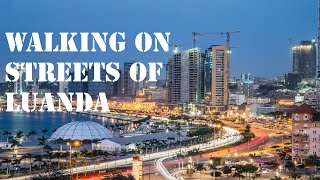
Hours before performing at a major European music festival, a musician named Kalaf Epalanga is stopped at the border and detained on suspicion of being an undocumented immigrant. While held, his mind moves through the rhythms and history of kuduro, an Angolan music genre that blends fast electronic beats with African dance styles. The novel follows Kalaf's path from Luanda through cities across several continents, including Kristiansund, Beirut, Rio de Janeiro, Paris, and Lisbon, tracing how kuduro carried him outward into the world.
The story is told through three distinct voices. Alongside Kalaf's own reflections during his detention, two other perspectives unfold: Sofia, a friend deeply connected to Lisbon's dance culture, and the immigration official responsible for deciding Kalaf's case, referred to as the Viking. Each narrator offers a different angle on the encounter at the border and on the broader questions it raises about belonging, movement, and cultural exchange.
Kalaf Epalanga, who is himself a musician and writer of Angolan origin based in Portugal, draws on his own background for the novel. The book's three-voice structure allows it to sit inside a single tense situation while ranging widely across geography and musical history, connecting Angola's post-independence cultural life to the European cities where its sounds have taken root.