The Wind Whistling in the Cranes
SynopsisPlot
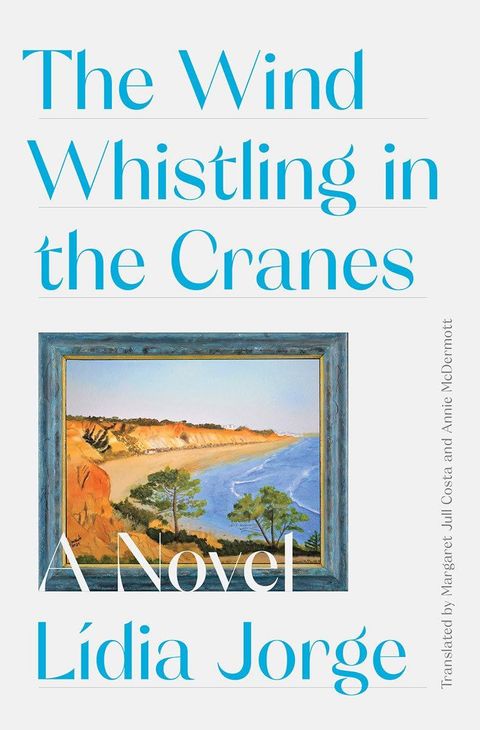
With the grand sweep of Elena Ferrante’s Neapolitan novels, this enduring tale transports us to a picturesque seaside town haunted by its colonial past. Considered one of Europe’s most influential contemporary writers, Portuguese novelist Lídia Jorge has captivated international audiences for decades. With the publication of The Wind Whistling in the Cranes, English-speaking readers can now experience the thrum of her signature poetic style and her delicately braided multicharacter plotlines, and witness the heroic journey of one of the most maddening, and endearing, characters in literary fiction.
Story
About this book
The Wind Whistling in the Cranes is a novel by the Portuguese writer Lídia Jorge, set in a small seaside town during the final decades of the twentieth century. Two families with very different histories live close to one another, and their claims and grievances gradually collide in a place still marked by Portugal's colonial past. Jorge follows the households through everyday encounters rather than one dramatic event.
The book moves through several characters at once, braiding their perspectives together instead of following a single line of plot. At its centre stands a figure who is by turns exasperating and sympathetic, and much of the tension comes from family loyalty, silence and old obligation. The town, the coast and the machinery of a changing shoreline give the story its concrete frame.
Lídia Jorge has published fiction for decades and is counted among Europe's influential contemporary novelists, with readers well beyond Portugal. She received the FIL Prize in Romance Languages, an award for writing in the languages descended from Latin, including Portuguese, Spanish and French. This edition carries the novel into English, keeping its setting in the years when Portugal was adjusting to life after empire.