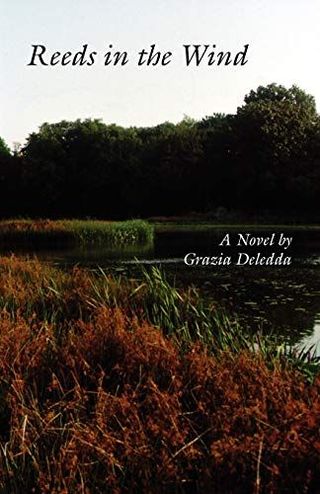
Reeds in the Wind
SynopsisPlot
This novel presents the story of the Pintor sisters - from a family of noble landowners now in decline - their nephew Giacinto, and their servant Efix, who is trying to make up for a mysterious sin committed many years before. Around, below, and inside them, the raging Mediterranean storms, the jagged mountains, the murmuring forests, and the gushing springs form a Greek chorus of witnesses to the tragic drama of this unforgiving land. Deledda tells her story with her characteristic love of the natural landscape and fascination with the folk culture of the island, with details about the famous religious festivals held in mountain encampments and the lore of the "dark beings who populate the Sardinian night, the fairies who live in rocks and caves, and the sprites with seven red caps who bother sleep.
Story
About this book
Reeds in the Wind follows the Pintor sisters, members of a once-prominent landowning family in the Baronia region of Sardinia. Their fortunes have faded, and their household now depends heavily on Efix, a devoted servant carrying the burden of a past wrongdoing he has never disclosed. When their nephew Giacinto arrives, his presence sets off a chain of events shaped by old guilt, family loyalty, and the question of whether any act of devotion can truly settle an unpaid debt.
Grazia Deledda, who was awarded the Nobel Prize in Literature in 1926, sets the novel firmly in the physical and cultural world of rural Sardinia. The Mediterranean storms, rocky mountains, forests, and springs surrounding the characters function almost as participants in the story. Deledda also draws on the island's folk traditions, including religious festivals held in mountain camps and local belief in supernatural beings such as fairies living inside rocks and sprites said to wear seven red caps.
The novel's central tensions arise from the gap between the Pintor family's former standing and their present circumstances, and from Efix's private struggle with a secret that shapes every decision he makes. Crime, guilt, and the possibility of retribution run through the narrative against a landscape that feels both ancient and unforgiving.