Prison Notebooks
SynopsisPlot
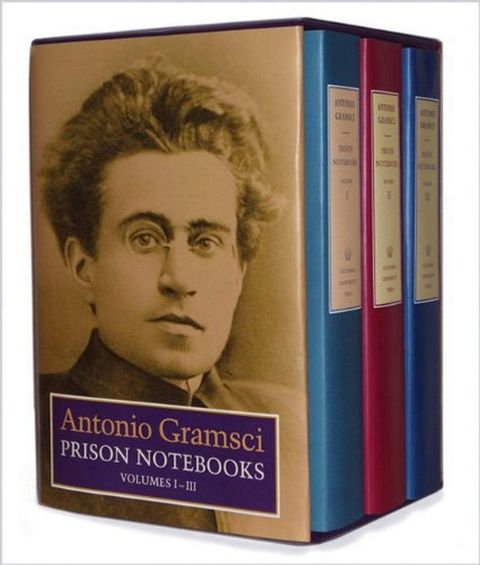
Based on the authoritative Italian edition of Gramsci's work, Quaderni del Carcere, this comprehensive translation presents the intellectual as he ought to be read and understood, with critical notes that clarify Gramsci's history, culture, and sources; an index of names; and a contextualization of the thinker's ideas against his earlier writings and letters. This set includes notebooks 1 through 8 with all attendant notes and materials and is an indispensible resource for scholars in the humanities and social sciences.
Story
About this book
Antonio Gramsci wrote the Prison Notebooks while held in Italian fascist prisons during the late 1920s and 1930s. Arrested in 1926 as a leading figure of the Italian Communist Party, he spent years in detention, filling over thirty notebooks with observations on philosophy, history, politics, education, and culture. The notebooks were not composed as a single unified text but as a series of drafts, fragments, and extended notes, many of them revised or restarted across different volumes.
This English edition, published by Columbia University Press, is based on the Italian critical edition known as Quaderni del Carcere. It covers notebooks 1 through 8 and includes detailed editorial notes intended to place Gramsci's arguments within the context of his earlier writings and correspondence. The notes also clarify references to historical events, cultural figures, and intellectual sources that Gramsci engaged with during his imprisonment.
Gramsci developed several concepts in these pages that became widely discussed in political theory and the social sciences, including his thinking on cultural hegemony, the role of intellectuals in society, and the relationship between civil society and the state. The notebooks remain a primary source for understanding his political thought in its unfinished, working form.