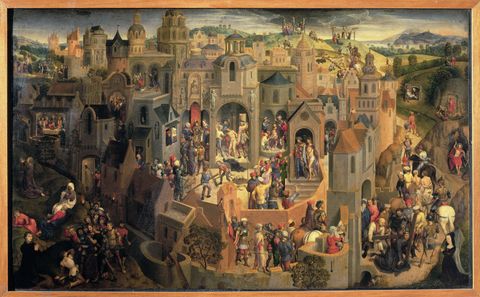
The Divine Comedy
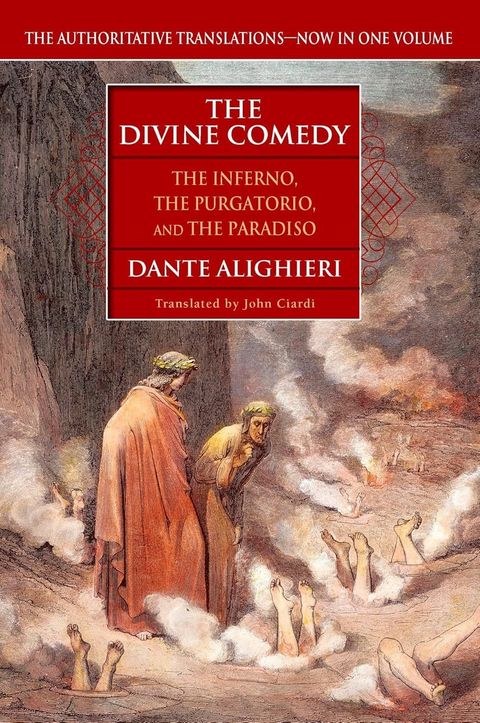
SynopsisPlot
Belonging in the immortal company of the great works of literature, Dante Alighieri’s poetic masterpiece, The Divine Comedy, is a moving human drama, an unforgettable visionary journey through the infinite torment of Hell, up the arduous slopes of Purgatory, and on to the glorious realm of Paradise—the sphere of universal harmony and eternal salvation.
Story
About this book
The Divine Comedy, written by Dante Alighieri in the early fourteenth century, is a long narrative poem divided into three parts: Inferno, Purgatorio, and Paradiso. Each part contains thirty-three cantos, with an additional introductory canto at the start, bringing the total to one hundred. This number was deliberate. In medieval number symbolism, one hundred represented perfection, while three corresponded to the Holy Trinity and thirty-three to the years of the life of Christ.
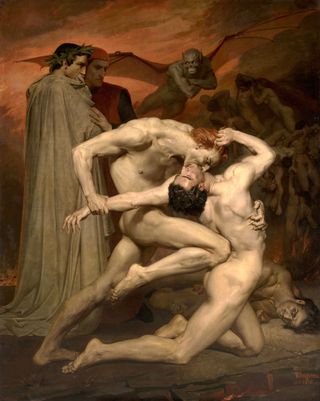
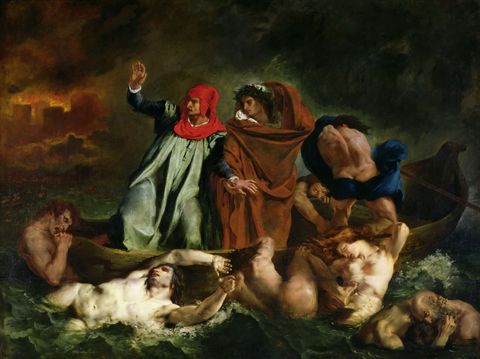
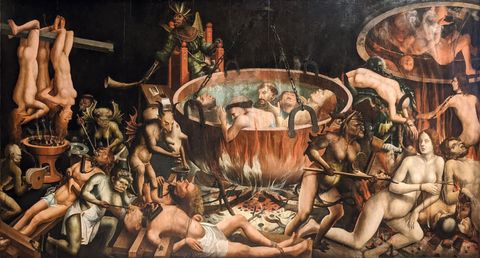
The poem opens with Dante lost in a dark forest. There he meets the Roman poet Virgil, who becomes his guide. Together they descend into Hell, imagined as a series of concentric circles narrowing toward the center of the Earth. They then climb upward through Purgatory, depicted as a tall mountain on an island in the southern hemisphere, where souls undergo gradual purification along terraced paths that grow narrower as they rise. At the summit lies an earthly paradise.
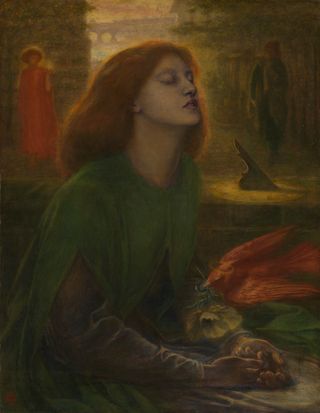
When they reach this point, Virgil departs and Beatrice takes over as guide, leading Dante upward into Paradise. The three realms form a structured geography of the afterlife, each with its own physical logic and moral order, shaped by the theological and philosophical ideas of medieval Europe.