The Iliad
SynopsisPlot
Dating to the ninth century B.C., Homer’s timeless poem still vividly conveys the horror and heroism of men and gods wrestling with towering emotions and battling amidst devastation and destruction, as it moves inexorably to the wrenching, tragic conclusion of the Trojan War. Renowned classicist Bernard Knox observes in his superb introduction that although the violence of the Iliad is grim and relentless, it coexists with both images of civilized life and a poignant yearning for peace.
Story
About this book
The Iliad is an ancient Greek epic poem attributed to Homer, composed around the eighth or ninth century B.C. It follows events during the final year of the Trojan War, centering on the warrior Achilles and his devastating anger after a dispute with Agamemnon, commander of the Greek forces. The conflict between personal honor and collective obligation drives the poem forward, drawing in figures on both the Greek and Trojan sides as well as gods who intervene with their own interests and rivalries.
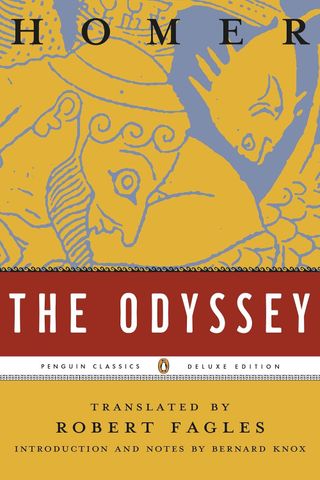
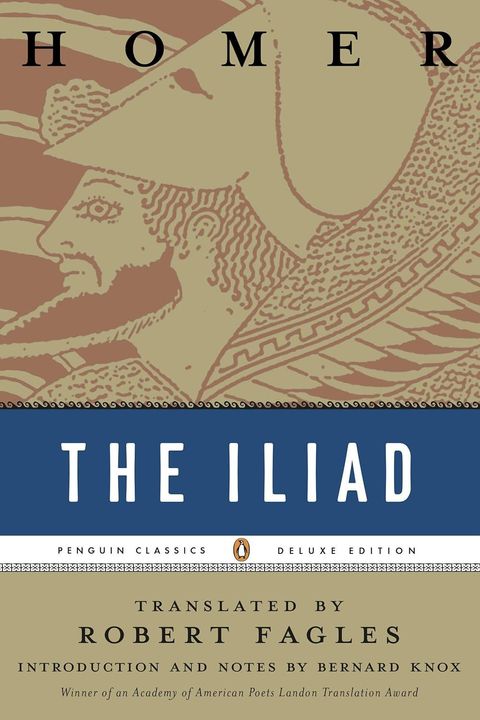
This edition presents a translation by Robert Fagles, with an introduction by the classicist Bernard Knox. The poem is organized into twenty-four books and moves through episodes of combat, assembly, grief, and negotiation. Its treatment of war is direct and often brutal, depicting injury and death in plain physical detail. At the same time, scenes of domestic life, friendship, and longing for peace appear alongside the fighting.
The setting is the plain before the city of Troy, in the region that corresponds to the northwestern coast of modern Turkey. Much of the action takes place between the Greek camp on the shore and the walls of Troy, a narrow landscape charged with years of siege and loss.