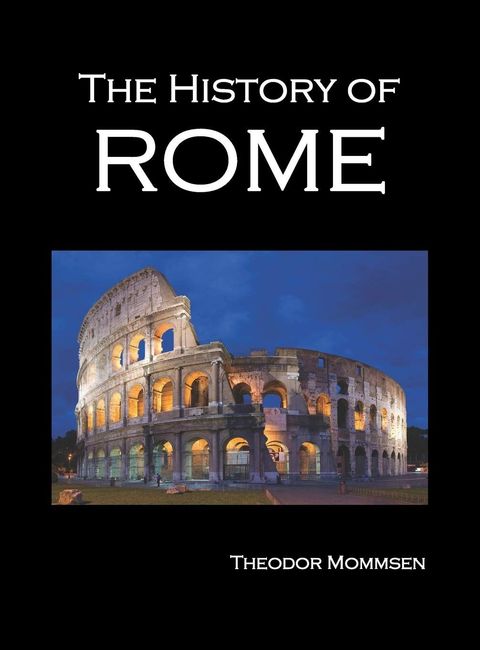
The History of Rome
SynopsisPlot
Theodor Mommsen, a Nobel Prize winner in literature, not only expounded Roman history up to the end of the Roman republic and the rule of Julius Caesar, but also closely compared the political thought and terminology of the ancient Republic, especially during its last century, with the situation of his own time.
Story
About this book
Theodor Mommsen published The History of Rome in three volumes during the 1850s, covering the story of Rome from its earliest beginnings through the fall of the Republic and the rise of Julius Caesar. Mommsen was a German historian and jurist, and his approach combined careful scholarship with a vivid narrative style that set the work apart from drier academic histories of the period. He received the Nobel Prize in Literature in 1902, one of very few scholars of non-fiction to be honored with that award.
A distinctive feature of the book is Mommsen's habit of drawing parallels between Roman political life and the European politics of his own nineteenth century. He used modern political vocabulary to describe ancient institutions, making senators and tribunes feel immediate rather than distant. This method brought Roman debates about power, law, and citizenship closer to readers familiar with the upheavals of 1848 and the unification struggles across Europe. The work ends with the period of Caesar and does not continue into the Imperial era, a planned continuation that Mommsen never completed in published form.