The Prince
SynopsisPlot
This eminently quotable treatise on the nature of rulers is unsettling in that it does not merely discuss the specific political geography of 16th century Europe, a world comprised of kings and nobles who ruled absolutely; it has endured for nearly 500 years because it is an all-encompassing understanding of men in power, and the common traits, motives and struggles which have characterized leaders from Roman emperors to modern-day presidents.
Story
About this book
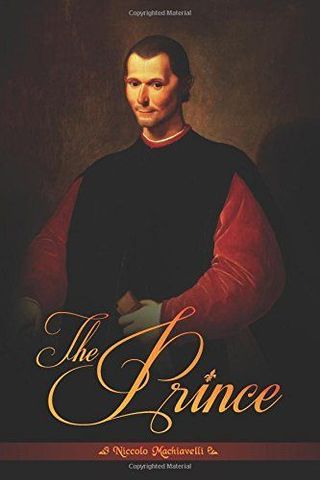
Niccolò Machiavelli composed Il Principe, known in English as The Prince, around 1513 while living in political exile outside Florence. A diplomat and political theorist, Machiavelli addressed the work as a practical guide for rulers, particularly those who had recently gained power. A manuscript version circulated during his lifetime under the Latin title De Principatibus, but the printed edition did not appear until 1532, five years after his death. Publication was authorized by Pope Clement VII, himself a member of the Medici family to whom the treatise was dedicated.
The book examines how princes acquire and hold territories, how they should manage their armies, and when they may need to act against conventional morality to preserve their rule. Machiavelli draws examples from Roman history as well as from the Italian wars and power struggles he witnessed firsthand. His central argument is that a ruler's survival and effectiveness sometimes require methods that ordinary ethics would condemn.
One notable feature of the work is that Machiavelli wrote it in vernacular Italian rather than Latin, following a trend that had grown since Dante's time. Though structured like earlier advice manuals for rulers, the text broke with that tradition by describing political power as it functioned in practice rather than as moral philosophy suggested it should.