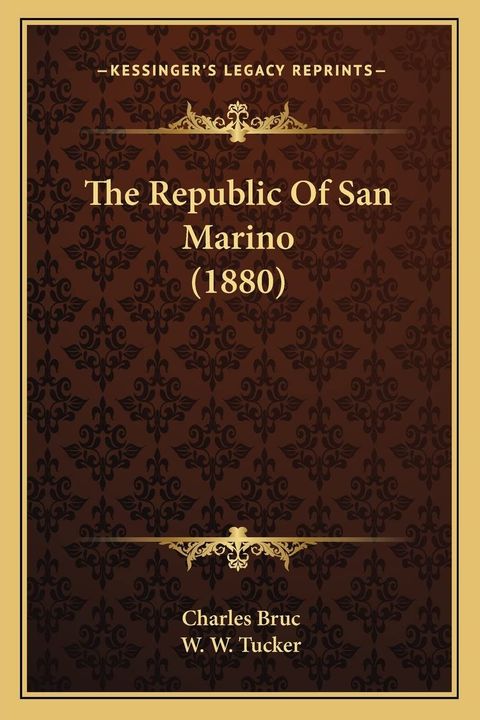
The Republic Of San Marino
SynopsisPlot
The book provides a comprehensive account of the history, culture, and political system of the Republic of San Marino. The Republic of San Marino is a small country located in Italy and is one of the oldest republics in the world. The book describes the history of the country from its founding in the 4th century to the present day. It also provides an in-depth analysis of the political system of the country, which is based on a unique form of direct democracy. The book also explores the culture and traditions of the people of San Marino, including their art, music, and cuisine. Overall, The Republic of San Marino is an informative and engaging read for anyone interested in the history and culture of this fascinating country.
Story
About this book
Published in 1880, The Republic of San Marino by Charles Bruc offers a detailed look at one of the smallest and oldest republics on Earth. San Marino sits on the slopes of Monte Titano in the Apennine range, entirely surrounded by Italy. The book traces the country's origins from its reported founding in the fourth century, when, according to tradition, a Christian stonemason named Marinus established a small community on the mountain. Bruc follows this history forward through the centuries that saw larger Italian states rise and fall around San Marino while the tiny republic persisted.
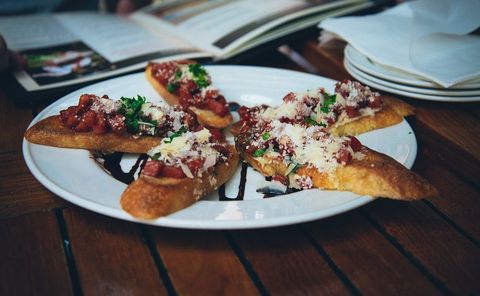
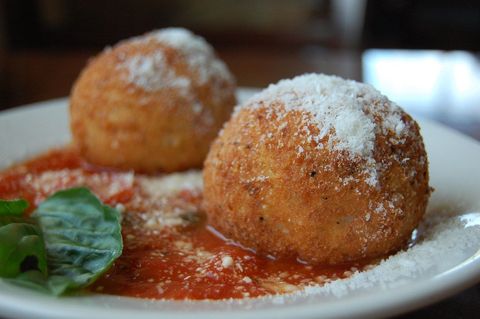
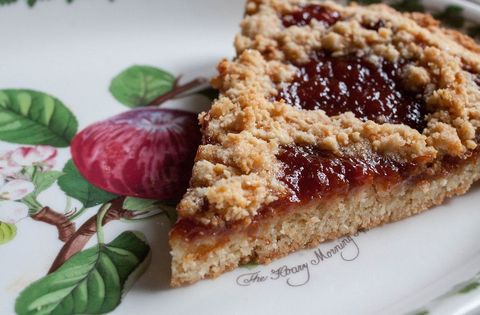
The book examines San Marino's political system, which by the nineteenth century already had an unusually long record of self-governance. Its form of direct democracy and its tradition of electing two Captains Regent to serve as joint heads of state for six-month terms distinguished it from most European governments of the period. Bruc also turns attention to the everyday culture of San Marino's inhabitants, touching on local art, music, and food.
Written at a time when many European readers would have known little about the microstate, the book served as a broad introduction to a country whose territory covers roughly 61 square kilometers. Its scope moves between political structure and daily life, giving equal weight to institutions and traditions.