Small Country
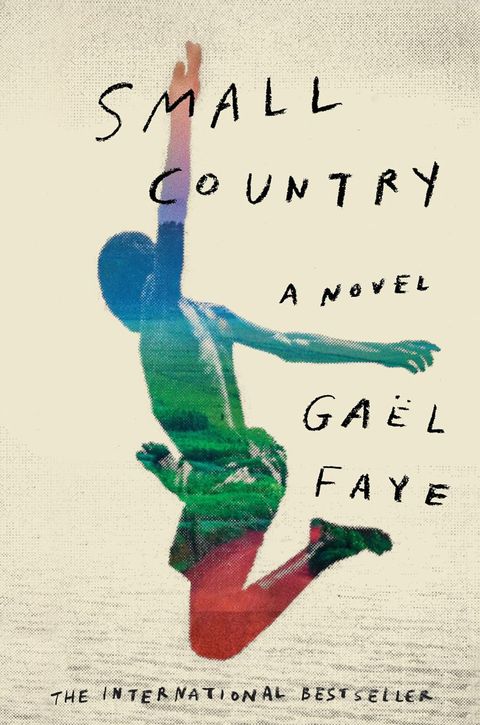
SynopsisPlot
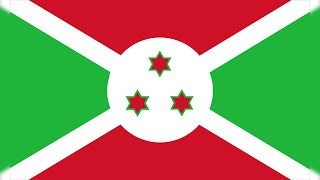
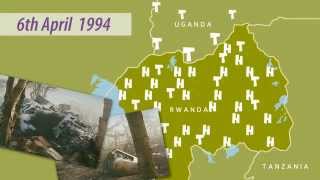
Burundi, 1992. For ten-year-old Gabriel, life in his comfortable expatriate neighborhood of Bujumbura with his French father, Rwandan mother and little sister Ana, is something close to paradise. These are carefree days of laughter and adventure – sneaking Supermatch cigarettes and gorging on stolen mangoes – as he and his mischievous gang of friends transform their tiny cul-de-sac into their kingdom. But dark clouds are gathering over this small country, and soon their peaceful existence will shatter when Burundi, and neighboring Rwanda, are brutally hit by civil war and genocide.
Story
About this book
In Bujumbura, the capital of Burundi, ten-year-old Gabriel lives with his French father, Rwandan mother, and younger sister Ana. The year is 1992, and their expatriate neighborhood feels safe and enclosed. Gabriel and his friends fill their days stealing mangoes, sneaking cigarettes, and turning their quiet cul-de-sac into a shared territory governed by childhood rules. The novel, originally written in French by Gaël Faye, follows Gabriel's perspective as this familiar world begins to fracture.
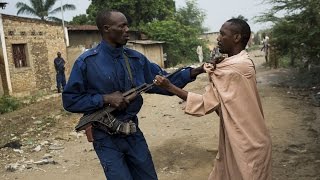
Burundi and neighboring Rwanda are moving toward civil war and genocide, and the political tensions gradually press into Gabriel's household and street life. His mixed heritage places his family at a particular fault line. The story tracks how large-scale violence enters a child's field of vision in fragments: overheard conversations, shifting adult moods, new absences, and eventually direct confrontation with loss.
Faye, who was born in Burundi in 1982 to a French father and Rwandan mother, draws on a background that closely parallels Gabriel's. The novel is set in specific streets and neighborhoods of Bujumbura, grounding its events in real geography rather than abstraction. It moves between the small-scale textures of childhood and the broader historical forces that reshape them.